How Pressure Washing Restores Your Bellevue Home’s Original Beauty
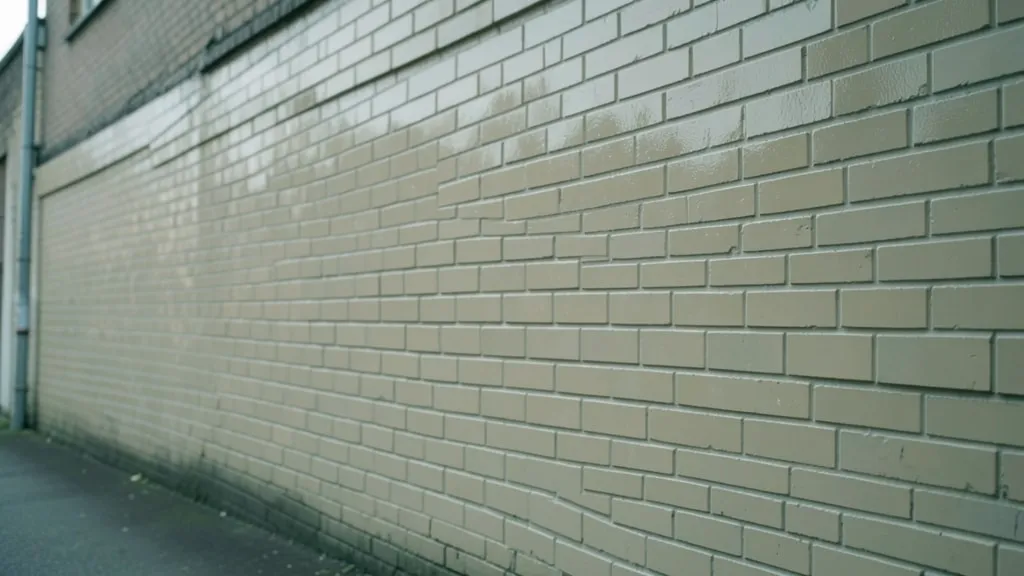
Bellevue’s wet winters and humid summers leave homes dull under layers of grime, mold, and pollen. Professional pressure washing doesn’t just clean—it restores surfaces to their original vibrancy, protecting your investment and boosting curb appeal.
Why Bellevue Homes Need Regular Pressure Washing
Our region’s persistent moisture accelerates the growth of algae, moss, and mildew on siding, roofs, and decks. Without intervention, these contaminants degrade surfaces over time, leading to costly repairs.
Pressure washing removes these invaders at the source, preventing long-term damage. It’s not just about looks—it’s maintenance that extends the life of your exterior materials.
Soft Wash vs. Traditional Pressure Washing: What’s the Difference?
Traditional pressure washing uses high PSI to blast away dirt, ideal for concrete driveways in Kirkland or Redmond. But for delicate surfaces like vinyl siding or cedar shakes, that force can cause damage.
Soft washing relies on low-pressure application of specialized detergents to kill mold, algae, and bacteria at the root. It’s the safer, more effective choice for house washing and roof cleaning in our climate.
| Surface | Recommended Method | Why It Works |
|---|---|---|
| Vinyl Siding | Soft Wash | Prevents warping or stripping paint; kills mold spores |
| Concrete Driveways | Traditional Pressure Wash | High PSI removes deep-set stains and oil |
| Cedar Shakes | Soft Wash | Preserves wood fibers; avoids splintering |
| Brick or Stucco | Soft Wash | Gentle on porous materials; prevents erosion |
| Composite Decks | Soft Wash | Protects sealants and prevents fiber damage |
The Hidden Damage Caused by Moss and Algae
Moss retains moisture against surfaces, accelerating rot in wood decks and fences. On roofs, it can lift shingles, creating entry points for water that lead to leaks and structural issues.
Algae leaves behind dark streaks on asphalt shingles, reducing their reflective properties and increasing heat absorption. Over time, this can shorten your roof’s lifespan.
Using a consumer-grade pressure washer on your roof or siding can void warranties and cause irreversible damage. Always hire professionals trained in surface-specific techniques.
Beyond Curb Appeal: Health and Safety Benefits
Mold and mildew aren’t just eyesores—they can trigger allergies and respiratory issues for your family. Pressure washing eliminates these pollutants, improving air quality around your home.
Slippery algae on driveways and walkways in Medina or Newcastle poses a fall hazard. A thorough cleaning restores traction and reduces liability risks.
What Surfaces Can (and Can’t) Be Pressure Washed
We safely clean vinyl, brick, concrete, stucco, and composite materials. Proper technique and PSI settings are key to avoiding damage.
Avoid pressure washing old or damaged wood, asbestos-containing materials, and certain types of painted surfaces. Soft washing is often the better alternative for these.
Surfaces Safe for Pressure Washing
- Concrete driveways and patios
- Brick or stone exteriors
- Vinyl or fiber cement siding
- Composite or PVC decking
- Stucco (with low PSI and proper technique)
How Often Should You Pressure Wash Your Home?
In our Pacific Northwest climate, we recommend house washing every 12–18 months to prevent buildup. Driveways and walkways may need annual cleaning, especially in high-traffic areas.
Roofs should be soft washed every 2–3 years to control moss and algae. Decks and fences benefit from yearly cleaning to maintain their finish and structural integrity.
The Pressure Washing Process: What to Expect
Our team starts with a thorough inspection to identify surface types, stains, and problem areas. This ensures we use the right method—soft wash or traditional pressure washing—for each part of your property.
We pre-treat stubborn stains with eco-friendly detergents, then apply the appropriate pressure to lift contaminants without harming surfaces. A final rinse leaves your home looking like new.
Protecting Your Investment with Preventative Maintenance
After cleaning, consider sealing concrete driveways or applying a protective finish to decks and fences. This adds a barrier against future stains and moisture damage.
Regular gutter cleaning and window washing complement pressure washing, keeping your entire exterior in top condition. Many Issaquah and Bellevue homeowners bundle these services for convenience.
Schedule pressure washing in late spring or early fall for the best results. Dry, mild weather allows surfaces to dry thoroughly and treatments to work effectively.
How to Prepare Your Home for Professional Pressure Washing
A little prep ensures the best results and protects your property during the cleaning process.
- 1Clear the Area
Move outdoor furniture, potted plants, and decorations away from the house. Cover electrical outlets and sensitive landscaping with plastic sheeting.
- 2Close Windows and Doors
Seal all windows, doors, and vents to prevent water from entering your home. Check that screens are secure.
- 3Trim Vegetation
Cut back bushes, ivy, or tree branches that touch your home. This allows full access to siding and prevents damage to plants.
- 4Remove Loose Debris
Sweep porches, patios, and driveways to clear leaves, dirt, and cobwebs. This helps the pressure washing process focus on deep cleaning.
- 5Identify Problem Areas
Note any stubborn stains, mold patches, or damaged surfaces. Share these with your technician so they can tailor the approach.
Frequently Asked Questions
Will pressure washing damage my home’s paint?
Not when done correctly. Our team uses the appropriate PSI and techniques for painted surfaces. Soft washing is often the safest choice for homes with older or delicate paint. Always request a quote to assess your specific needs.
Can pressure washing remove oil stains from my driveway?
Yes, but it depends on the stain’s age and the driveway material. Fresh oil stains often lift with high-pressure cleaning and degreasers. Older stains may require pre-treatment or multiple passes. Concrete responds best to this method.
Is pressure washing safe for my garden and plants?
We use eco-friendly, biodegradable cleaners and take care to avoid overspray. However, some plants may be sensitive. We recommend watering plants before and after cleaning to dilute any residual detergent.
How long does it take to pressure wash an average Bellevue home?
Most residential pressure washing jobs take 2–4 hours, depending on the home’s size, the number of surfaces, and the level of buildup. Larger properties or those with extensive staining may require additional time.
Do you offer pressure washing for commercial properties in Redmond or Kirkland?
Absolutely. We provide commercial pressure washing for storefronts, parking lots, and office buildings. Our equipment and techniques scale to handle larger surfaces efficiently while minimizing disruption.
What’s the difference between pressure washing and power washing?
Pressure washing uses unheated water, while power washing adds heat to the equation. The heat in power washing can be more effective for grease and oil stains on driveways but isn’t always necessary for residential cleaning.