Essential Pressure Washing Maintenance Checklist for Bellevue Multi-Family Properties
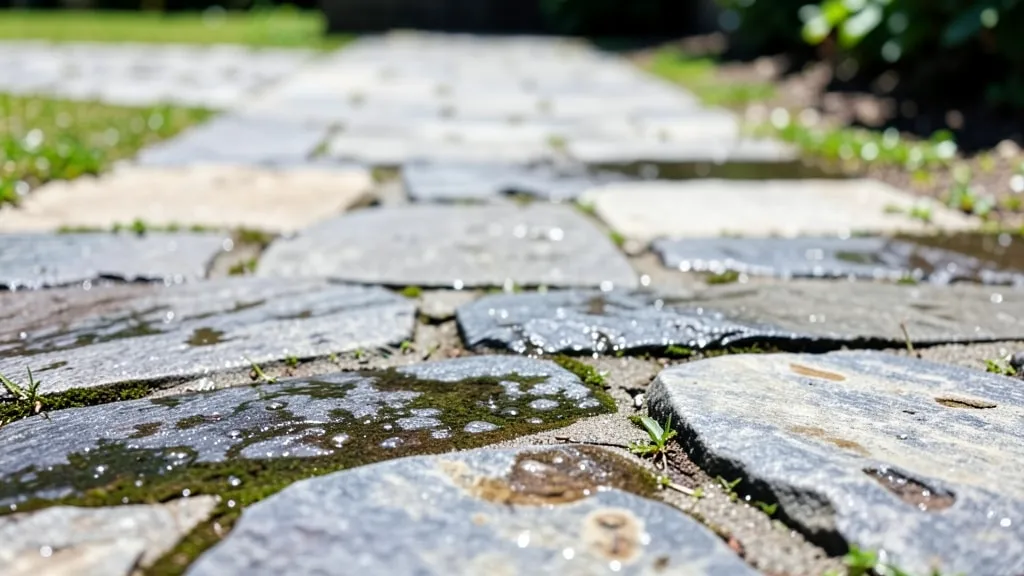
Multi-family properties in our region face unique challenges—constant foot traffic, Pacific Northwest moisture, and seasonal grime buildup. We’ve refined a pressure washing checklist to protect your investment, extend surface life, and keep tenants happy. This isn’t just about curb appeal; it’s about preventing long-term damage.
Why Multi-Family Properties Need Regular Pressure Washing
Bellevue’s damp climate accelerates mold, mildew, and algae growth on siding, walkways, and common areas. Left unchecked, these contaminants degrade surfaces and create slip hazards.
Regular cleaning also removes pollutants from nearby roads, pollen, and organic debris that stain facades and reduce property value. Tenants notice—and so do prospective renters.
Pressure washing isn’t just cosmetic. It prevents costly repairs by stripping away corrosive buildup before it damages sealants, paint, or concrete.
Key Areas to Prioritize on Multi-Family Sites
Start with high-traffic zones: entryways, stairwells, and parking lots. These accumulate oil, gum, and dirt fastest, especially in neighborhoods near downtown or transit hubs.
Don’t overlook vertical surfaces. Vinyl, stucco, and wood siding on townhomes or apartment buildings trap moisture and grow black streaks without routine soft washing.
Balconies, railings, and outdoor seating areas collect pollen and bird droppings. A thorough clean improves tenant satisfaction and reduces maintenance calls.
Critical Multi-Family Pressure Washing Zones
- Building facades and siding (soft wash for delicate materials)
- Concrete walkways, stairwells, and ADA ramps
- Parking lots and garage entrances (including striping refresh)
- Dumpster pads and service areas
- Balconies, railings, and outdoor amenities
- Roofs (low-pressure soft wash to avoid damage)
- Gutters and downspouts (prevents clogs and water damage)
Soft Wash vs. Pressure Washing: What Multi-Family Properties Need
Not all surfaces can handle high PSI. Soft washing uses low pressure (under 500 PSI) and specialized detergents to clean delicate materials like roof shingles, cedar siding, or painted surfaces.
Traditional pressure washing (2,000–4,000 PSI) is ideal for concrete, brick, and aggregate surfaces where deep cleaning is required to remove embedded grime or efflorescence.
| Surface | Recommended Method | Why |
|---|---|---|
| Roofs (asphalt, cedar shake) | Soft Wash | Prevents shingle damage and voiding warranties |
| Vinyl or Stucco Siding | Soft Wash | Avoids etching or water intrusion behind panels |
| Concrete Sidewalks & Parking Lots | Pressure Washing | Removes deep-seated oil, gum, and tire marks |
| Wood Decks & Fences | Soft Wash + Sealant | Preserves wood fibers; prep for staining |
| Brick or Stone Facades | Pressure Washing (medium PSI) | Cleans mortar joints without erosion |
| Gutters & Downspouts | Soft Wash or Manual Cleaning | Prevents denting or misalignment |
Seasonal Considerations for Bellevue Properties
Spring brings pollen and moss growth—ideal for a soft wash to reset surfaces before summer. Fall is critical for removing leaves and organic debris that trap moisture over winter.
Winter prep should include cleaning and sealing concrete to prevent freeze-thaw damage. Salt and de-icing chemicals used in Kirkland or Redmond can pit surfaces if not removed promptly.
Summer’s dry spells let algae and mildew take hold on north-facing walls. A mid-year touch-up keeps properties looking sharp and prevents tenant complaints.
Schedule pressure washing in early fall after leaf drop but before the first frost. This timing maximizes surface protection and minimizes downtime for tenants.
Equipment and Techniques for Large-Scale Jobs
Multi-family properties require commercial-grade equipment. We use surface cleaners (12”–24” wide) to cover large concrete areas efficiently, reducing labor time and water waste.
For soft washing, downstream injectors apply detergents safely, ensuring even coverage on tall buildings. Turbo nozzles help with stubborn stains but must be used carefully to avoid surface damage.
Always pre-treat heavy stains with a bleach-based solution (sodium hypochlorite) for organic growth. This breaks down contaminants before the final rinse.
Using the wrong PSI or nozzle can etch concrete, strip paint, or damage siding. Improper detergent ratios may harm landscaping or violate local environmental codes.
Compliance and Safety for Multi-Family Pressure Washing
ADA-compliant walkways must be kept free of slip hazards. Pressure washing removes moss and algae that violate accessibility standards, reducing liability risks.
In areas like Medina or Newcastle, where properties may have steep driveways or retaining walls, proper drainage is critical. Ensure water runoff doesn’t pool or erode landscaping.
Always post temporary signage during cleaning to warn tenants and pedestrians. Wet surfaces can be hazardous, especially on stairs or ramps.
Long-Term Maintenance: Sealing and Protective Coatings
After cleaning, apply a sealant to concrete, decks, or fences to extend the life of the surface. This is especially important in our wet climate, where water penetration accelerates decay.
For roofs, a zinc-based treatment after soft washing can inhibit future algae growth. This is a cost-effective add-on for properties in wooded areas like Issaquah.
Parking lots may need striping refreshed post-cleaning. Combine pressure washing with re-striping to maintain a professional appearance and clear traffic flow.
When to Call in the Pros vs. DIY
Small tasks like cleaning a single balcony or patio can be DIY with a consumer-grade washer. But multi-family properties require professional equipment, liability insurance, and expertise.
We handle large-scale jobs efficiently, often in a single day, with minimal disruption. Our team also manages waste water containment to comply with local environmental regulations.
For graffiti removal or stubborn stains on commercial properties, professionals have access to specialized chemicals and techniques that restore surfaces without damage.
How to Prepare Your Multi-Family Property for Pressure Washing
A little prep ensures a smoother, more effective cleaning process with no surprises.
- 1Notify Tenants
Send a 48-hour notice about the cleaning schedule, including areas that will be off-limits. Cover or move outdoor furniture and vehicles.
- 2Clear the Area
Remove loose items like planters, trash cans, and decorations from walkways, balconies, and patios. Secure or cover electrical outlets.
- 3Inspect for Damage
Check for loose siding, cracked concrete, or damaged sealant. Address these issues before cleaning to avoid further damage.
- 4Pre-Treat Problem Areas
Apply detergent to heavily soiled zones (e.g., dumpster pads, oil stains) 10–15 minutes before washing to break down grime.
- 5Protect Landscaping
Cover sensitive plants with tarps or plastic sheeting, especially when using bleach-based cleaners. Rinse foliage after cleaning.
- 6Plan for Drying Time
Block off cleaned areas for 24–48 hours to allow surfaces to dry completely, especially before reapplying sealants or paint.
Frequently Asked Questions
How often should multi-family properties in Bellevue be pressure washed?
We recommend a full exterior clean every 12–18 months, with touch-ups for high-traffic areas (like parking lots) every 6 months. Properties near trees or in damp climates may need more frequent attention.
Can pressure washing damage my building’s siding?
Yes, if done incorrectly. High PSI or the wrong nozzle can etch vinyl, crack stucco, or strip paint. Always use soft wash techniques for delicate surfaces and hire professionals for large jobs.
What’s the best way to clean mold off balconies without harming plants below?
Use a soft wash approach with a low-pressure nozzle and an eco-friendly detergent. Rinse thoroughly and avoid overspray. For stubborn mold, pre-treat with a vinegar solution before the final wash.
Do you offer services for properties in Kirkland or Redmond as well?
Absolutely. We serve multi-family properties across the Eastside, including Kirkland, Redmond, Issaquah, and beyond. Our team is familiar with the unique needs of each area’s climate and architecture.
How do you handle water runoff during pressure washing?
We use containment systems like berms or vacuums to capture runoff, especially when cleaning near storm drains or sensitive landscaping. This ensures compliance with local environmental regulations.
Is pressure washing enough to remove graffiti from my property?
For most graffiti, yes—especially on concrete or brick. We use high-pressure techniques combined with specialized cleaners to lift paint without damaging the surface. For delicate materials, we may use chemical solvents or soda blasting.