Quarterly Pressure Washing Tips to Maintain Your Commercial Property in Bellevue
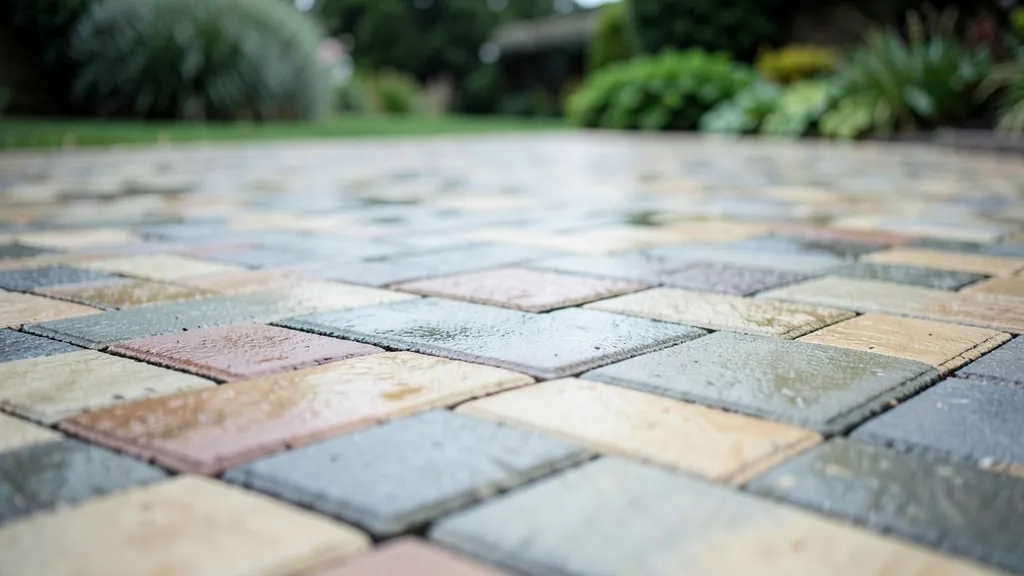
Bellevue’s damp winters and pollen-heavy springs take a toll on commercial exteriors. Quarterly pressure washing isn’t just about looks—it’s preventive maintenance that protects your building’s surfaces, sidewalks, and tenant satisfaction. Our team knows the local conditions and how to tackle them without damaging property.
Why Quarterly Cleaning Beats Reactive Maintenance
Dirt, algae, and grime accumulate faster in our Pacific Northwest climate. By the time stains become visible, they’ve often already started degrading sealants and paint.
Quarterly cleaning interrupts this cycle, reducing long-term repair costs. It also keeps your property compliant with local ordinances in areas like downtown Bellevue or Medina, where appearance standards are high.
Seasonal Challenges in the Bellevue Area
Winter brings moss and black algae to north-facing walls and shaded walkways. Spring pollen coats everything in a yellow film, while summer dust from nearby construction in Redmond or Kirkland settles quickly.
Fall’s falling leaves and sap require prompt removal to prevent staining on concrete and awnings. Each season demands a tailored approach to pressure washing.
| Season | Primary Contaminants | Key Surfaces to Target |
|---|---|---|
| Winter | Moss, algae, salt residue | Sidewalks, parking lots, north-facing walls |
| Spring | Pollen, dirt buildup | Storefronts, awnings, entryways |
| Summer | Dust, oil stains, graffiti | Driveways, dumpster areas, loading docks |
| Fall | Leaves, sap, organic debris | Roofs, gutters, decks, fences |
The Right Equipment for Commercial Surfaces
Not all pressure washers are equal. Commercial properties often require 3,000–4,000 PSI with 3–5 GPM for concrete and heavy stains, while softer surfaces like awnings or painted facades need 1,200–1,900 PSI to avoid damage.
We use surface cleaners for large flat areas like parking lots in Issaquah or Newcastle, and soft wash systems for delicate materials. The wrong PSI can etch concrete or strip paint, costing far more than the cleaning itself.
Consumer-grade pressure washers often lack the power or control for commercial jobs. Improper use can damage surfaces or even cause injury. Always hire trained professionals.
Soft Wash vs. Pressure Wash: Knowing the Difference
Soft washing uses low-pressure water combined with specialized detergents to kill mold, algae, and bacteria at the root. It’s ideal for roofs, siding, and any surface where high pressure could cause harm.
Traditional pressure washing blasts away dirt and grime with sheer force, perfect for concrete, brick, and metal. We often combine both methods for comprehensive results on commercial properties.
Critical Areas Often Overlooked
Dumpster pads, loading docks, and back alleys accumulate grease and odors that deter customers. These areas require degreasers and hot water pressure washing for thorough cleaning.
ADA-compliant ramps and sidewalks must stay free of slip hazards like moss or oil. Regular cleaning here isn’t just about aesthetics—it’s a safety and liability issue.
Don’t Forget These Spots
- Dumpster enclosures and pads
- Loading docks and delivery areas
- ADA ramps and walkways
- Awnings and signage
- Parking garage floors and walls
- HVAC units and exhaust vents
Effluent Control and Environmental Compliance
Bellevue and King County have strict rules about runoff. Pressure washing can send contaminants into storm drains, leading to fines. We use containment systems and eco-friendly cleaners to stay compliant.
For properties near Lake Washington or in Medina, extra care is critical. Always verify that your provider follows local and state environmental regulations.
Some commercial pressure washing jobs, especially large-scale or those involving chemical use, require permits. We handle the paperwork so you don’t have to.
Scheduling Around Business Operations
Downtime isn’t an option for most businesses. We schedule cleanings during off-hours or low-traffic periods to minimize disruption. Early mornings or weekends often work best for retail properties in downtown Bellevue.
For office parks in Kirkland or Redmond, we coordinate with property managers to ensure tenant access isn’t affected. Flexibility is key to maintaining operations while keeping the property pristine.
How to Prepare Your Property for a Commercial Pressure Washing
A little prep ensures great results and a fast turnaround.
- 1Clear the Area
Remove vehicles, outdoor furniture, and loose items from the cleaning zone. This protects your assets and gives our team unobstructed access.
- 2Secure Sensitive Items
Cover or move electronics, signage, and delicate landscaping. High-pressure water can damage unprotected items.
- 3Communicate with Tenants
Notify employees or tenants about the scheduled cleaning, including expected noise and temporary access restrictions.
- 4Address Repairs First
Fix any loose siding, cracked concrete, or damaged seals before cleaning. Pressure washing can worsen existing issues.
- 5Identify Problem Areas
Point out stains, graffiti, or high-traffic zones to your technician. This helps us prioritize and customize the approach.
Frequently Asked Questions
How often should a commercial property in Bellevue be pressure washed?
We recommend quarterly cleanings for most commercial properties to combat our region’s persistent moisture and seasonal debris. High-traffic areas like driveways or storefronts may need more frequent attention, while low-use zones might stretch to bi-annual cleanings.
Can pressure washing damage my building’s exterior?
Yes, if done incorrectly. Improper PSI, wrong nozzles, or excessive heat can etch concrete, strip paint, or damage siding. Our team uses the right equipment and techniques for each surface, from soft wash for roofs to high-pressure cleaning for concrete.
Do you handle graffiti removal for businesses in Bellevue?
Absolutely. Graffiti removal requires specialized cleaners and techniques to lift paint without harming the underlying surface. We’ve worked on properties throughout Bellevue, Kirkland, and Redmond, restoring surfaces quickly and discreetly.
What’s the difference between pressure washing and power washing?
Pressure washing uses cold water, while power washing uses heated water. The heat in power washing helps break down grease and oil, making it ideal for driveways, dumpster areas, and industrial spaces. We use both methods depending on the job.
How do you ensure safety during commercial pressure washing?
Safety starts with training. Our team wears protective gear, secures the area with cones or barriers, and follows OSHA guidelines. We also use equipment with safety locks and inspect all tools before each job.
Will pressure washing remove oil stains from my parking lot?
Yes, but it often requires hot water pressure washing and industrial-grade degreasers. Fresh stains are easier to remove, while older ones may need pre-treatment. We’ve restored parking lots in Issaquah and Newcastle with heavy vehicle traffic.