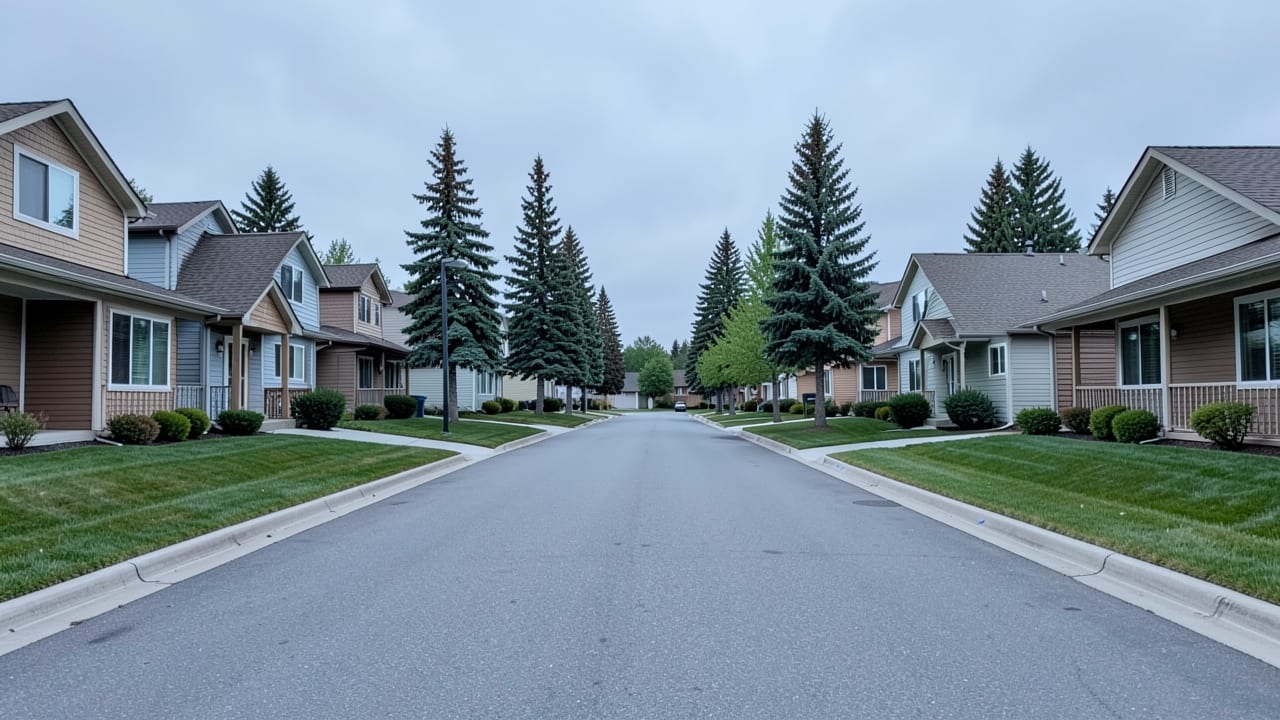
Pressure Washing in Ames Lake, WA
pressure washing for Ames Lake, WA properties — Ames Lake is a nearby community roughly 9.5 miles east of Bellevue..
Pressure washing in Ames Lake, WA is part of the Bellevue service area rather than a separate one, which is why coverage here is routine. Ames Lake is a nearby community roughly 9.5 miles east of Bellevue.
Why pressure washing comes up in Ames Lake
Pressure washing problems in the dense suburban area near Bellevue arise from the region's frequent rain and moist air, which promote moss, algae, and mildew growth on driveways, siding, and decks. The work involves removing these stubborn organic stains that thrive in the damp, shaded conditions created by the closely spaced homes and mature trees. Crews in the area typically tackle heavy buildup on north-facing surfaces, where sunlight is limited, and the constant humidity slows natural drying. The terrain's slight elevation changes also contribute to water pooling in certain spots, accelerating dirt and grime accumulation.
We also handle Yarrow Point, WA and Preston, WA for Bellevue properties.
What the work involves, step by step
Surface and plant protection. Landscaping near the foundation is wetted down and covered, and any exterior outlets or fixtures are bagged, before a single nozzle is turned on, since cleaning solution runoff and overspray cause more complaints on siding jobs than the wash itself.
Detergent pre-treatment. A cleaning solution formulated for the siding material — vinyl, wood, stucco, or fiber cement each take a different mix — is applied at low pressure and left to dwell, breaking down algae and mildew chemically instead of relying on pressure to blast it off.
Soft-wash rinse. The siding is rinsed at low pressure, generally under 500 psi through a wide-fan tip, working top to bottom in overlapping passes at a consistent speed, since an inconsistent pass speed is what leaves uneven streaking behind on the finished surface.
Spot treatment. Areas with heavier algae staining or stubborn mildew get a second, more concentrated pass rather than higher pressure, because raising the pressure to compensate for a stain is what pushes water behind siding seams instead of just cleaning the surface.
Final rinse and inspection. A clear-water final rinse removes any remaining detergent residue, and the finished siding is walked and checked in daylight for spots the first pass missed and for any panel that shows lifting or damage that needs separate attention.
How to tell the work is needed in Ames Lake
Siding tends to show buildup gradually enough that it's easy to miss day to day, but a few direct checks make it obvious. Green or black streaking, usually on whichever side of the house gets the least direct sun, is algae or mildew rather than dirt, and it spreads steadily once established instead of staying put. Running a hand across the surface and coming away with a fine chalky residue is a different sign — oxidation or accumulated grime — and is often easier to feel than to see from a distance.
Cobwebs, dirt, and insect debris collecting specifically in corners, under eaves, and around light fixtures is usually the first place general grime becomes noticeable, well before the rest of the siding looks obviously dirty. And taking down anything mounted to the siding — a house number, a small planter — and comparing the covered patch to the exposed surface around it gives a direct, hard-to-argue read on how much the rest has actually faded or dirtied.
What goes wrong when the work is done badly
Uneven pass speed streaking. Moving the wand at an inconsistent speed across siding leaves a banded, uneven-looking streak pattern sometimes called zebra striping, where the panels that got a slower pass look cleaner than the ones the operator moved past quickly. It's a technique problem, not a chemistry problem, and it shows up worst on light-colored vinyl.
Forced water behind siding. Aiming a pressure washer wand directly into a siding seam or up under a lap edge can force water behind the panel instead of just cleaning its face, and water trapped there is a documented cause of mold growth and rot inside the wall cavity that isn't visible until much later.
Wrong pressure for the material. Vinyl, stucco, and fiber cement each tolerate different pressure levels, and using a pressure setting suited to concrete on siding can crack stucco, split vinyl seams, or strip the factory finish off fiber cement panels well before it makes the surface look any cleaner.
What keeps the problem from coming back
How fast siding gets dirty again after a wash depends mostly on how much moisture that specific section is exposed to, which makes a few targeted changes more effective than trying to clean more often. Vegetation touching or growing close to the siding keeps that section shaded and damp long after the rest of the house has dried, so trimming it back to leave a real gap against the wall slows how quickly algae re-establishes there specifically. A sprinkler head aimed at the siding instead of the lawn is one of the most common and easiest overlooked causes, keeping one section wet on a daily schedule regardless of the weather.
A clogged gutter that overflows sends water running straight down the siding below it, carrying roof grime onto a wall that would otherwise stay relatively clean, so keeping the gutters clear is part of what keeps the siding clean. And a permanently shaded or north-facing section will always need attention sooner than the rest of the house no matter how well it was just cleaned — that's a fact about sun exposure, not something the cleaning itself failed to fix.
What the work costs around Ames Lake
54 per square foot. The range covers a full house exterior or siding wash. The range shown here reflects public market data for this category of work, not a quoted price — real costs vary by job scope, site conditions, and the company doing the work.
Since the exact number depends on the job and the provider, comparing a couple of local quotes is the most direct way to see where a specific project falls inside this range. The most reliable way to pin down a specific job is to compare a couple of local quotes, since the range above is a starting point, not a substitute for an actual quote on the job. Source: Angi / HomeAdvisor, 2025-2026.
How to choose who does the work in Ames Lake
Does the quote specify the PSI and method — pressure wash vs. soft wash — for each surface? The wrong PSI on siding, roofing, or wood can cause damage, so the method should be disclosed per surface, not left as one generic number. Is a written scope listing every surface included — driveway, siding, deck, roof, fencing — provided? Bundled pricing sometimes covers only one or two surfaces despite sounding comprehensive. Are the cleaning chemicals used, and their effect on nearby landscaping and pets, disclosed before the job? Soft-wash detergents vary in strength, and runoff can affect plants or pets nearby. Does the estimate distinguish concrete or driveway work from roof or siding work? Roof and siding washing typically require lower pressure and different technique than concrete, and pricing that lumps them together can hide risk. What is the policy if pressure washing reveals pre-existing damage, like cracked paint or loose mortar? Pre-existing conditions can surface once dirt is removed, so it helps to know how that gets handled before agreeing to the job. Is post-treatment sealing for driveways or decks included in the price or billed separately? Sealing is often an add-on, not part of a basic wash.
No mention of PSI or method — pressure vs. soft wash — for each surface. The wrong pressure on siding, roofing, or wood can cause real damage, and a quote that has not specified method per surface has not actually assessed the job. A price far below every comparable bid for the same square footage. An unusually low price can mean lower-grade equipment, no pre-treatment chemical, or rushed coverage that leaves streaking. No mention of what chemicals are used or their effect on landscaping. Undisclosed chemical strength is how plants and grass near the work area end up damaged. Full payment demanded before the job starts. Paying in full upfront removes leverage if streaking, missed spots, or damage shows up afterward. Pressure to add extra services on the spot without a separate written price. Add-ons proposed in the moment are harder to compare against other bids.
Services covered in Ames Lake, WA
Work booked through this page in Ames Lake covers Commercial Pressure Washing, Pool Deck Cleaning, Tennis Court Cleaning, Exterior Vent Cleaning, Algae Treatment, Deck & Fence Cleaning, Dumpster Pad Cleaning, Vinyl Siding Cleaning, and 30 other services listed on the services page.
To get a firm number for pressure washing in Ames Lake, WA, request a quote — the scope of the job decides the price, not the town.
See Commercial Pressure Washing for more, or discover everything Bellevue homeowners can book with us by service type for our complete lineup.
Serving Ames Lake, WA
Pressure Washing Services in Ames Lake, WA
Stone Patios Cleaning in Ames Lake, WA
Stone Patios Cleaning for Ames Lake, WA properties — Ames Lake is a nearby community roughly 9.5 miles east of Bellevue..
Learn MoreMailbox Cleaning in Ames Lake, WA
Mailbox Cleaning for Ames Lake, WA properties — Ames Lake is a nearby community roughly 9.5 miles east of Bellevue..
Learn MoreExterior Door Cleaning in Ames Lake, WA
Exterior Door Cleaning for Ames Lake, WA properties — Ames Lake is a nearby community roughly 9.5 miles east of Bellevue..
Learn More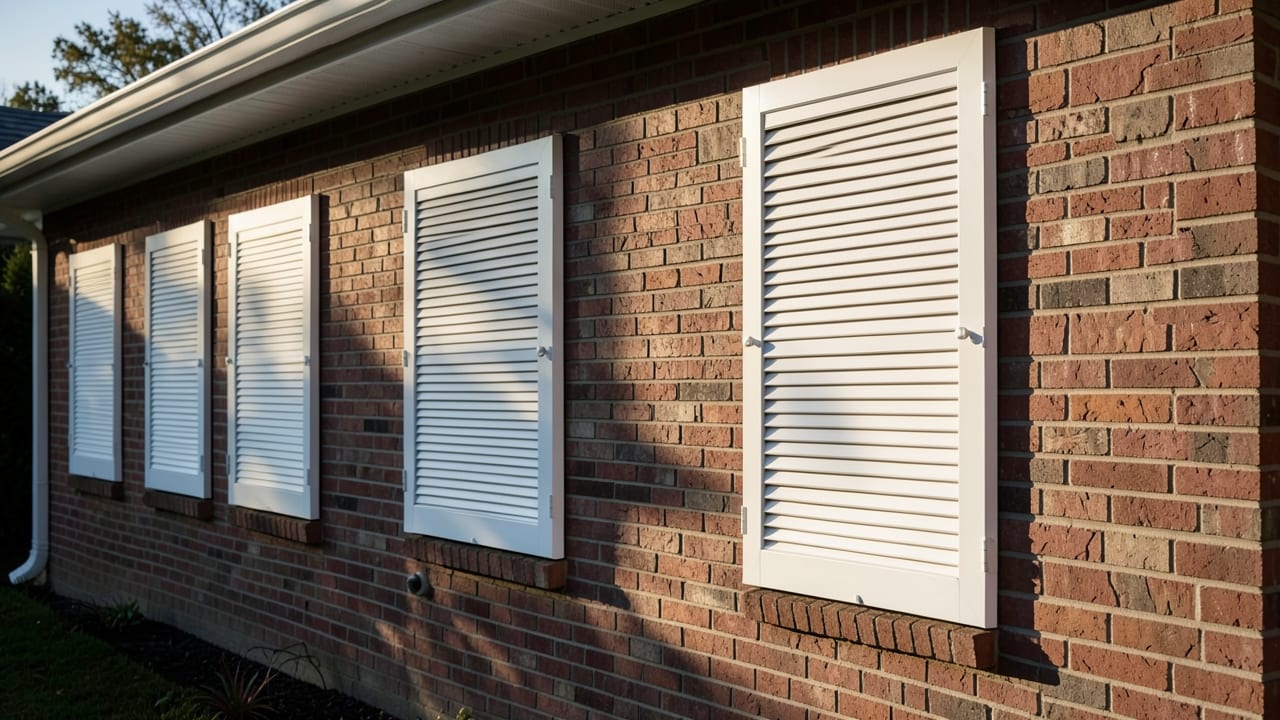
Shutter Cleaning in Ames Lake, WA
Shutter Cleaning for Ames Lake, WA properties — Ames Lake is a nearby community roughly 9.5 miles east of Bellevue..
Learn More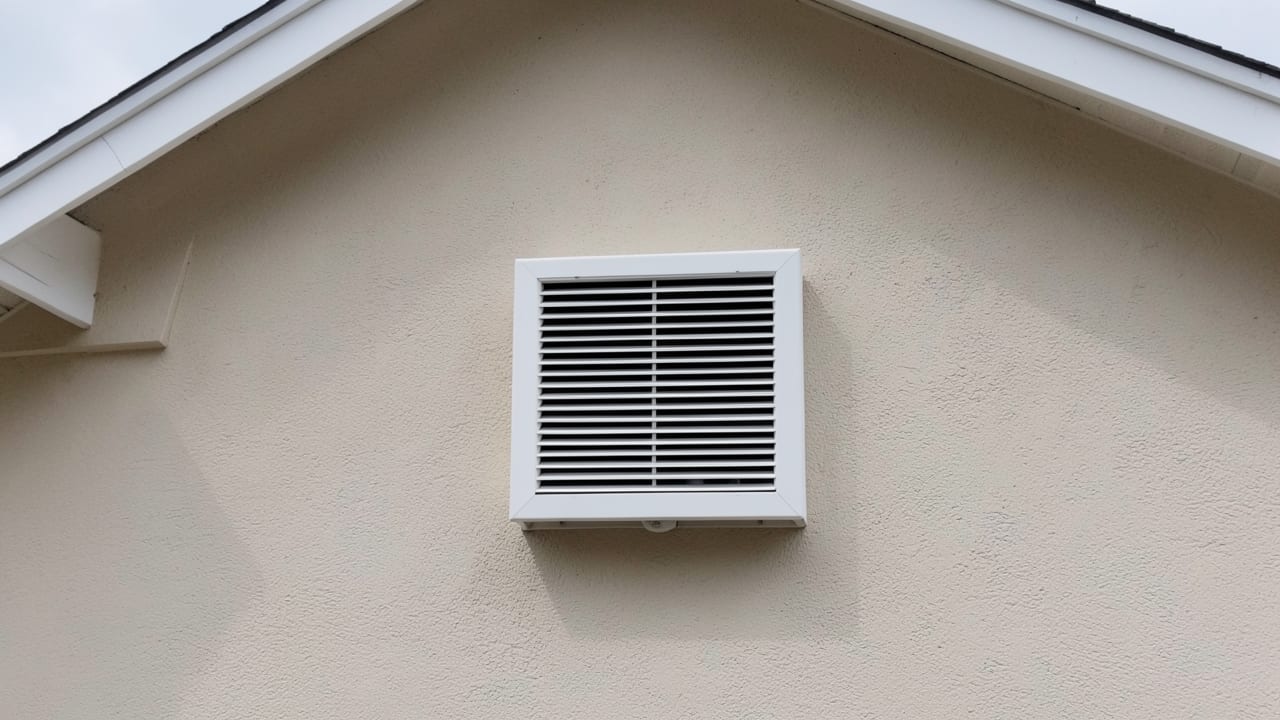
Exterior Vent Cleaning in Ames Lake, WA
Exterior Vent Cleaning for Ames Lake, WA properties — Ames Lake is a nearby community roughly 9.5 miles east of Bellevue..
Learn More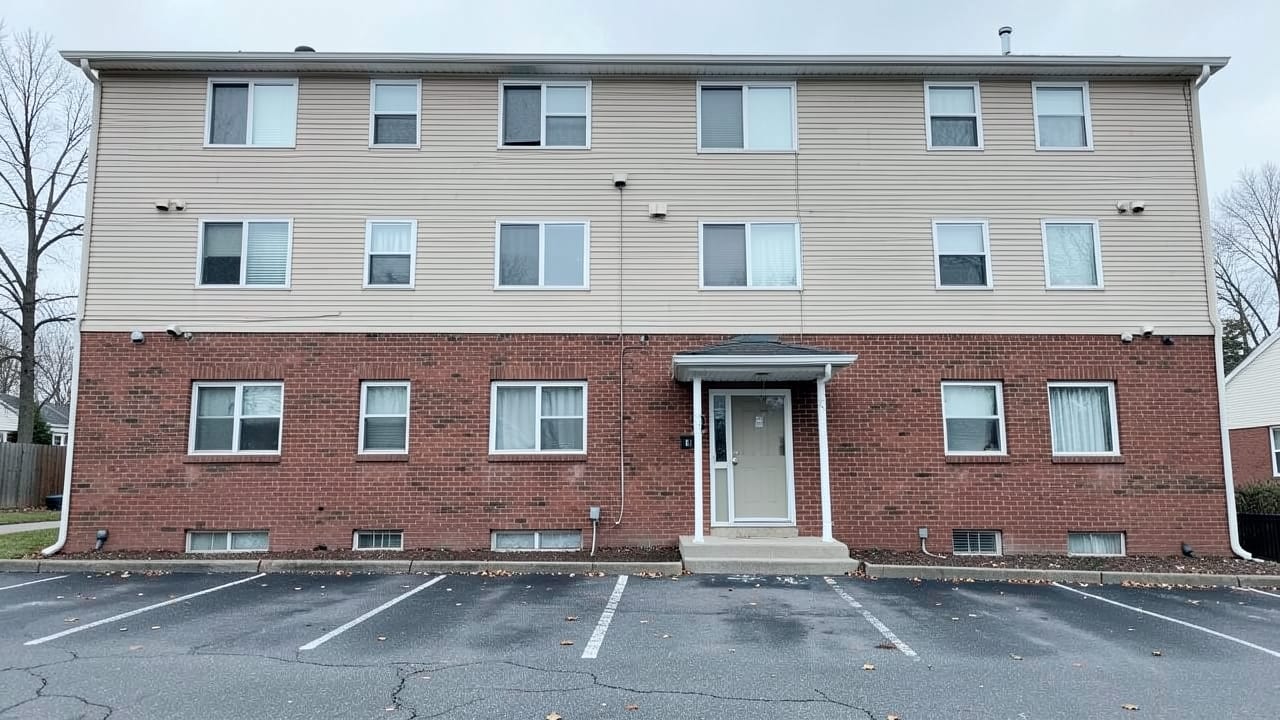
Apartment Complex Washing in Ames Lake, WA
Apartment Complex Washing for Ames Lake, WA properties — Ames Lake is a nearby community roughly 9.5 miles east of Bellevue..
Learn MoreOther Areas We Cover
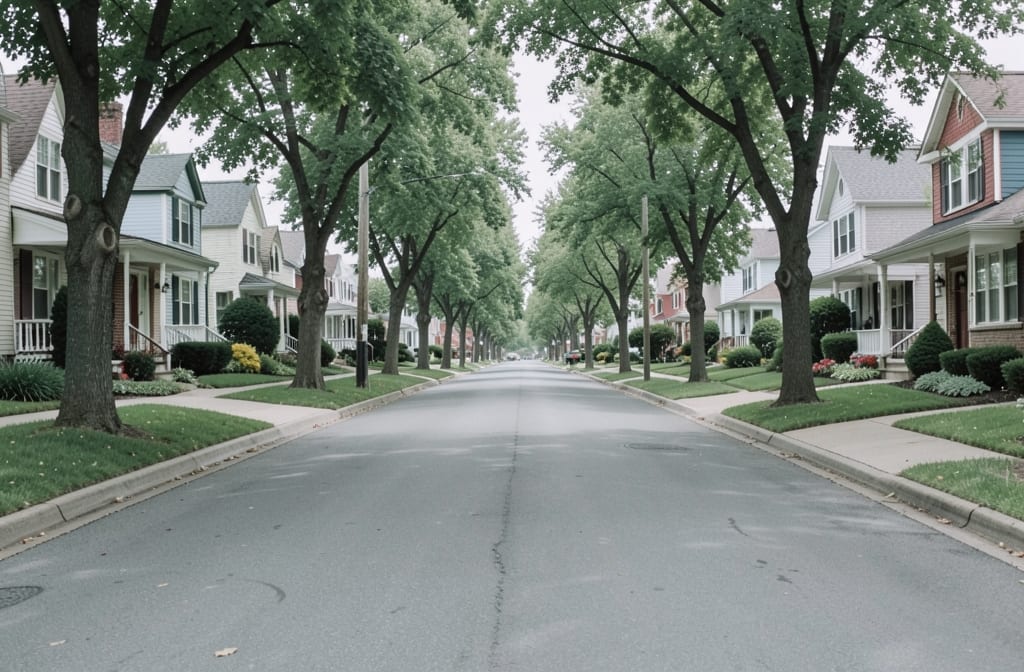
Pressure Washing in Yarrow Point, WA
pressure washing for Yarrow Point, WA properties — Yarrow Point small Gold Coast community bordering Clyde Hill and Bellevue.
Learn More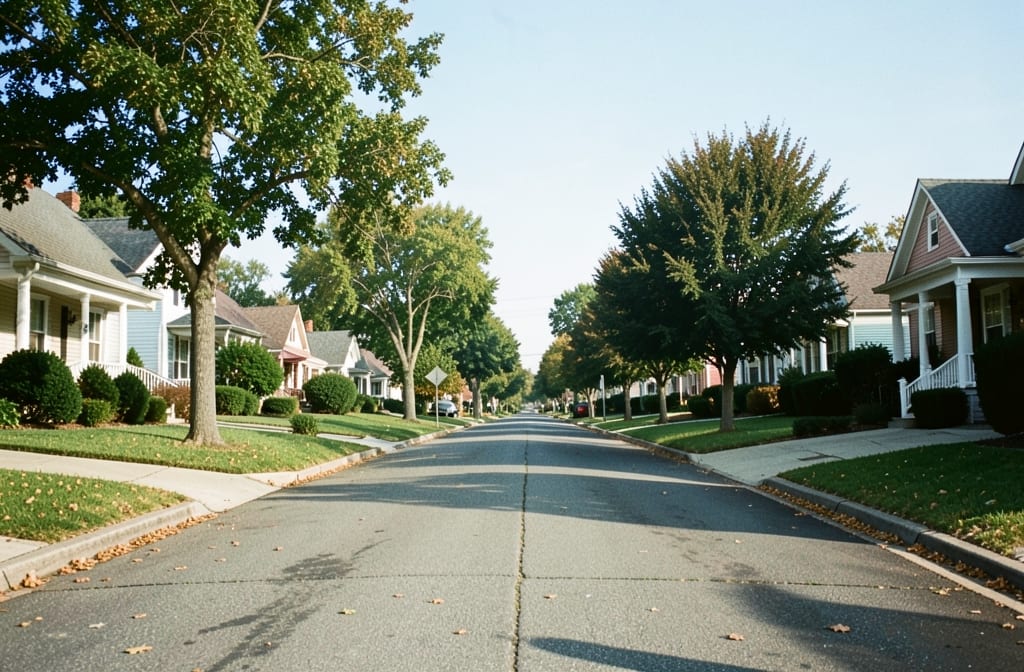
Pressure Washing in Preston, WA
pressure washing for Preston, WA properties — Preston small East King County community, ~20 miles from Seattle.
Learn More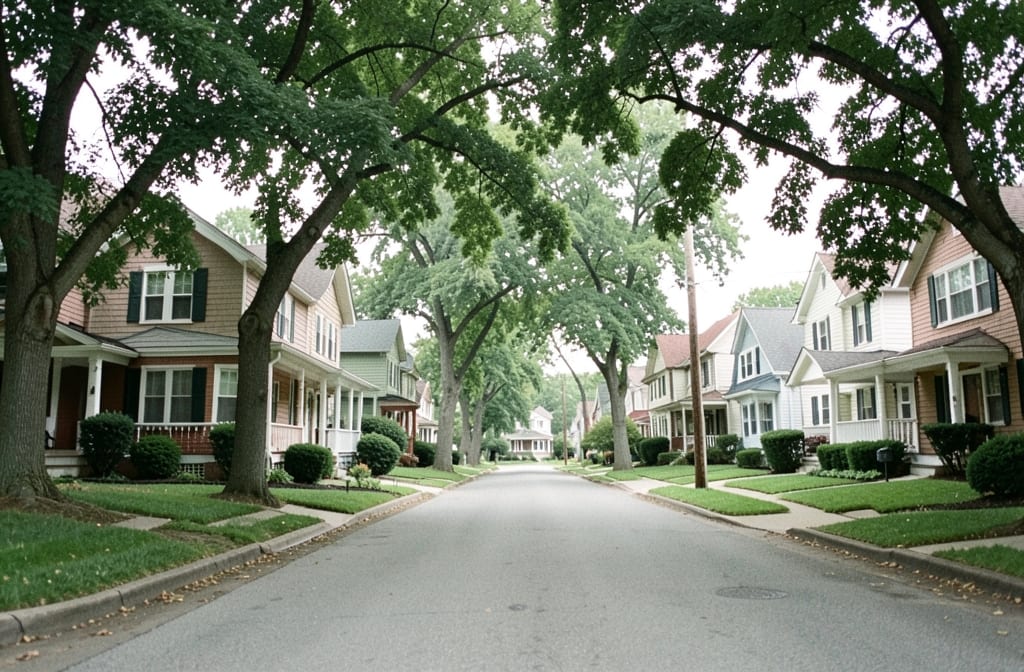
Pressure Washing in Woodinville, WA
pressure washing for Woodinville, WA properties — Woodinville Eastside city known for its wine-country character, north of Bellevue/Kirkland.
Learn More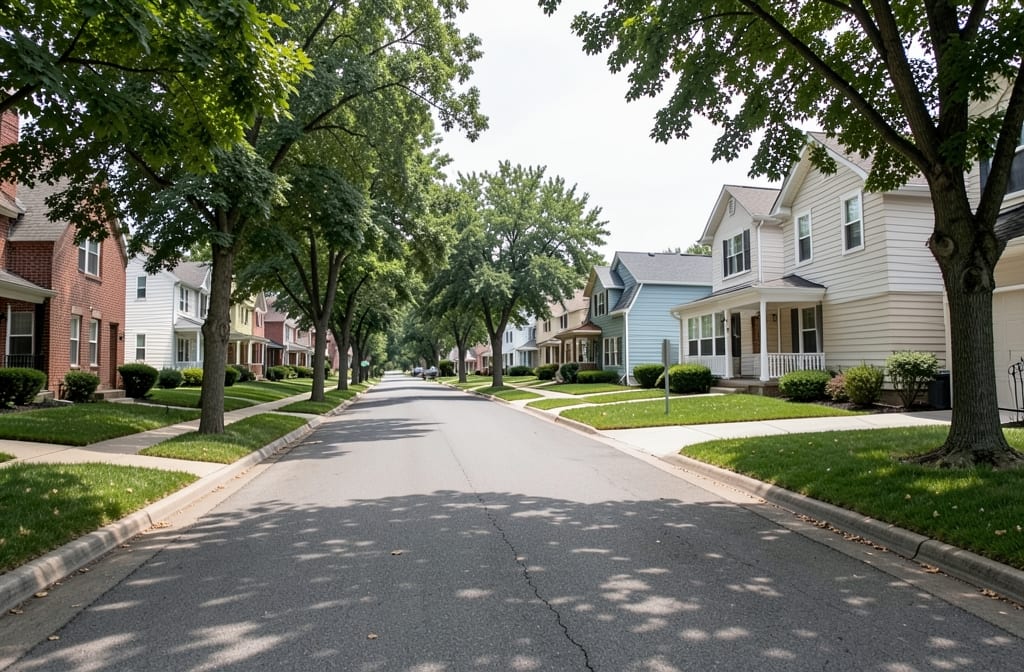
Pressure Washing in Kenmore, WA
pressure washing for Kenmore, WA properties — Kenmore Eastside city at the north end of Lake Washington.
Learn More
Pressure Washing in Bothell, WA
pressure washing for Bothell, WA properties — Bothell Eastside city straddling King/Snohomish counties, north of Kirkland.
Learn More
Pressure Washing in Bryn Mawr-Skyway, WA
pressure washing for Bryn Mawr-Skyway, WA properties — Bryn Mawr-Skyway is a nearby community roughly 8.1 miles southwest of Bellevue. Bryn Mawr-Skyway is a census-designated place (CDP) in King County, Washington, United States. The population was 17,397 at the 2020 census..
Learn MoreCommon Questions About Pressure Washing in Ames Lake, WA
Everything you need to know about pressure washing services in Ames Lake, WA
How much does pressure washing typically cost in Ames Lake, WA?
Does winter road salt affect driveway washing needs in Ames Lake, WA?
How often should a home's exterior actually be washed?
Are the cleaning chemicals used in soft washing safe for landscaping and pets?
Would home insurance cover damage caused by improper pressure washing?
Can pressure washing strip paint or an existing sealant off a surface?
Need Pressure Washing in Bellevue?
Get a written quote from our Bellevue crew.
⏰ We answer your call • Serving all of Bellevue and surrounding areas