How to Choose the Right Pressure Washing Company in Bellevue
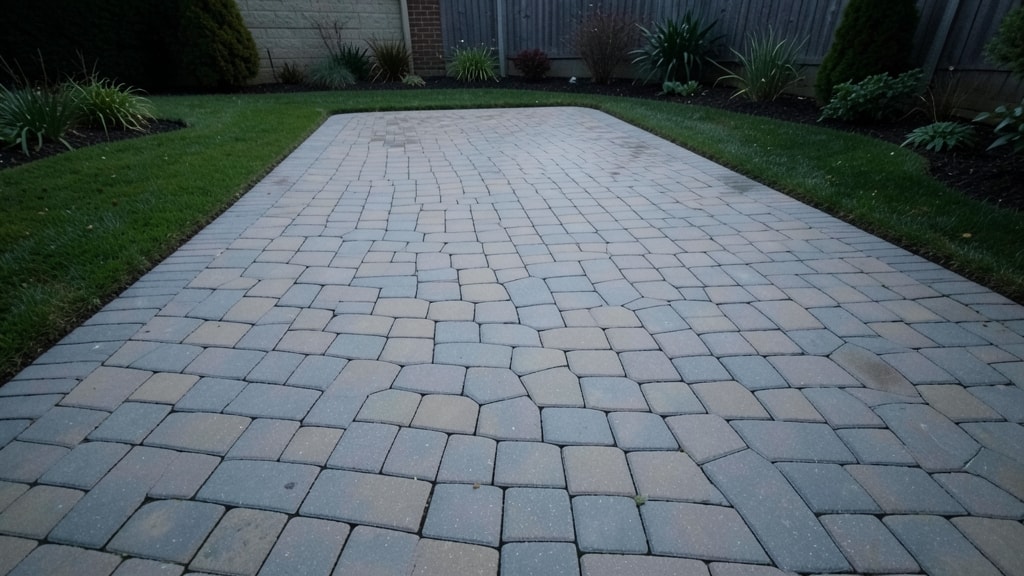
Choosing the wrong pressure washing company can leave your Bellevue home or business with streaks, damage, or even costly repairs. We’ve seen it firsthand—improper PSI or the wrong nozzle can etch concrete or strip paint in seconds. Here’s how to spot a true pro who understands local conditions, from Medina’s waterfront homes to Kirkland’s bustling commercial strips.
Why Local Expertise Matters in the Pacific Northwest
Our climate—wet winters, damp springs, and mild summers—creates the perfect storm for algae, moss, and mildew. A company familiar with Bellevue’s microclimates knows which detergents and techniques work best for our persistent organic growth.
Nearby areas like Issaquah or Redmond share similar challenges, but local pros also understand neighborhood-specific issues, like the mineral deposits common in Newcastle’s water or the tight driveways in older Medina properties.
PSI and GPM: The Numbers That Separate Pros from Amateurs
PSI (pressure) and GPM (flow) determine whether a job gets done efficiently or turns into a disaster. Residential soft washing for roofs or cedar siding typically uses 500–1,200 PSI, while heavy-duty concrete cleaning may require 3,000–4,000 PSI.
Too much pressure can damage surfaces like stucco or vinyl siding, while too little leaves grime behind. Our team always matches the equipment to the job—no guesswork.
| Surface | PSI Range | Nozzle Type |
|---|---|---|
| Vinyl Siding | 1,200–1,900 PSI | 25°–40° |
| Concrete Driveways | 3,000–4,000 PSI | 15°–25° or Surface Cleaner |
| Cedar Decks | 500–1,200 PSI | 40° (Soft Wash) |
| Brick or Stucco | 1,500–2,500 PSI | 25°–40° |
| Roofs (Soft Wash) | 500–1,000 PSI | 40° or Downstream Chemical |
Soft Wash vs. Pressure Wash: Know the Difference
Not all surfaces can handle high pressure. Soft washing uses low PSI and specialized detergents to safely clean delicate materials like roofs, cedar shakes, or painted wood. It’s essential for killing algae and moss at the root.
Traditional pressure washing is better for hard surfaces like concrete, pavers, or brick. A reputable company will recommend the right method for your property—no shortcuts.
If your surface is older, painted, or prone to damage (like a 20-year-old deck or a roof with loose shingles), insist on soft washing. It’s the safest way to avoid costly repairs.
The Right Equipment for the Job
Professional-grade machines use hot or cold water, but hot water pressure washers excel at cutting through grease and oil—critical for commercial jobs in Redmond’s industrial parks or Bellevue’s restaurant alleys.
Surface cleaners (rotating nozzles) ensure even cleaning on large, flat areas like driveways or patios, while turbo nozzles tackle stubborn stains on vertical surfaces. Downstream chemical injectors allow precise detergent application without damaging pumps.
Consumer-grade pressure washers often lack the GPM or PSI control for consistent results. Worse, improper use can void warranties on siding or roofing materials.
Chemicals and Eco-Friendly Practices
Not all detergents are created equal. For example, sodium hypochlorite (bleach-based) is highly effective for mold and algae but requires careful handling to avoid plant damage. Eco-friendly, biodegradable options are safer for gardens and pets.
In areas like Medina or Newcastle, where properties often back up to sensitive landscapes, we prioritize water reclamation systems and plant-safe solutions. Always ask about a company’s chemical policies.
Licensing, Insurance, and What to Verify
Washington state requires pressure washing businesses to carry liability insurance, but not all do. Ask for a certificate of insurance (COI) and verify it covers property damage and worker injuries.
Check for a valid business license and, if applicable, a contractor’s registration. For commercial jobs, ensure they’re familiar with ADA compliance for sidewalks and storefronts in Bellevue’s downtown core.
Before You Hire, Confirm They Have:
- Valid WA state business license
- General liability and workers’ comp insurance
- Proof of equipment maintenance and calibration
- References from local jobs (ask for addresses in Kirkland or Issaquah)
- Written estimates with detailed scope of work
What to Expect During and After the Job
A professional crew will protect nearby plants, outdoor furniture, and electrical outlets before starting. They’ll also pre-treat surfaces with the appropriate detergent and allow dwell time for maximum effectiveness.
Post-cleaning, they should inspect for missed spots or potential damage. For services like gutter cleaning or window washing, they’ll ensure downspouts are clear and frames are streak-free. Expect a walkthrough—no exceptions.
Red Flags: Avoid These Common Pitfalls
If a company quotes a price without seeing your property, run. Every job is unique—surface type, square footage, and level of grime all factor into the cost. Request a quote with an on-site assessment.
Avoid ‘one-size-fits-all’ approaches. A crew that uses the same PSI for your deck as your driveway doesn’t understand the trade.
How to Vet a Pressure Washing Company in Bellevue
Follow these steps to ensure you’re hiring a qualified, reliable professional.
- 1Research Local Reputation
Check reviews on multiple platforms and ask for references from past jobs in Bellevue, Kirkland, or Redmond. Look for consistency in quality and professionalism.
- 2Verify Credentials
Confirm their business license, insurance, and any industry certifications (e.g., from the Pressure Washing Resource Association).
- 3Request a Detailed Estimate
A reputable company will provide a written quote outlining the scope, methods (soft wash vs. pressure wash), chemicals used, and any prep or post-cleaning steps.
- 4Ask About Equipment and Techniques
Inquire about their PSI/GPM capabilities, nozzle types, and whether they use surface cleaners or downstream chemical injection. Ensure they tailor the approach to your property.
- 5Clarify the Timeline and Process
Understand how long the job will take, drying times, and any post-cleaning maintenance recommendations (e.g., sealing a deck after cleaning).
- 6
A confident company will stand by their work.
Frequently Asked Questions
How often should I pressure wash my Bellevue home?
Most homes need a thorough cleaning every 1–3 years, depending on exposure to elements. Properties near trees or in damp areas like Issaquah may require annual service to prevent moss and algae buildup.
Can pressure washing damage my siding or roof?
Absolutely—if done incorrectly. High PSI or the wrong nozzle can strip paint, crack vinyl siding, or dislodge roofing granules. Always hire a pro who uses the right technique for your materials.
Is soft washing safe for all surfaces?
Soft washing is ideal for delicate surfaces like roofs, cedar, or painted wood. However, some older or deteriorating materials may still require special care. A professional assessment is key.
Do pressure washing companies in Bellevue offer commercial services?
Yes, many local companies—including ours—specialize in commercial work, from storefronts in downtown Bellevue to warehouse cleaning in Redmond. Services often include graffiti removal, ADA-compliant sidewalk cleaning, and fleet washing.
What’s the difference between hot and cold water pressure washing?
Hot water is more effective at breaking down grease, oil, and heavy grime, making it ideal for commercial or industrial jobs. Cold water works well for most residential cleaning but may require more detergent or time.
How do I maintain my property after pressure washing?
Regularly remove debris from gutters, trim back tree branches to reduce shade and moisture, and consider applying a sealant to decks or driveways. For roofs, zinc or copper strips can help prevent future algae growth.