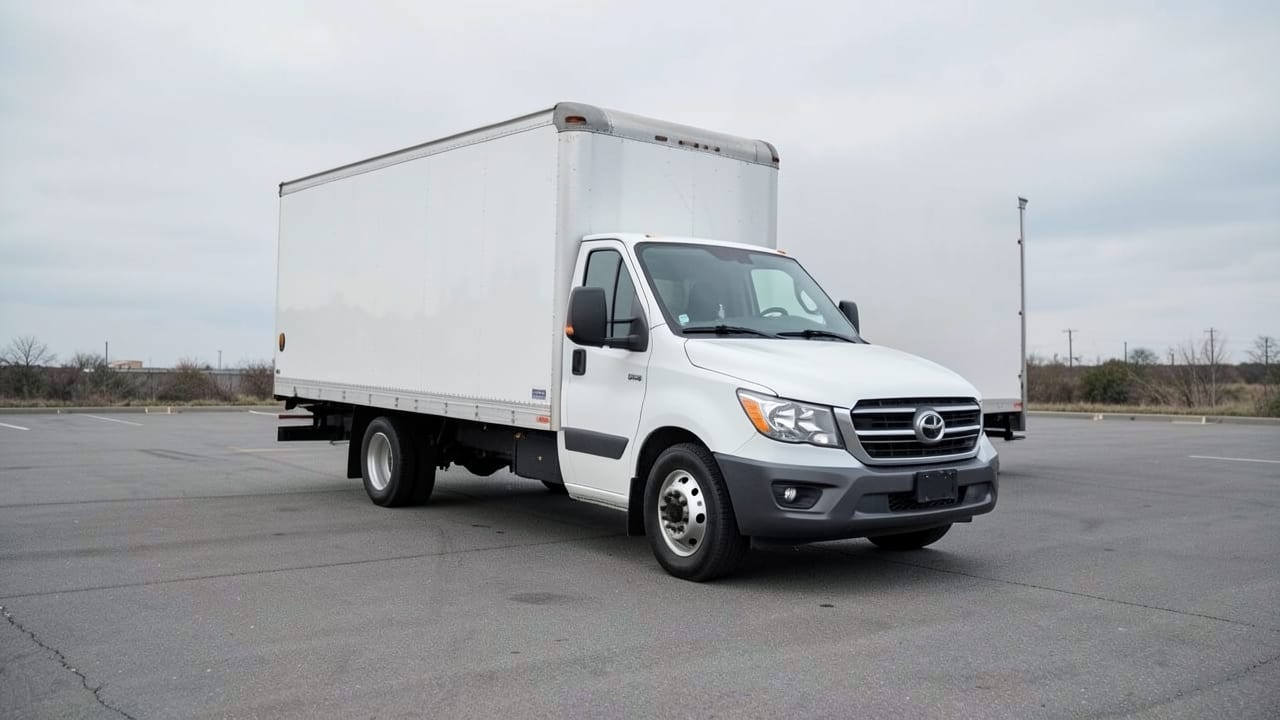
Fleet Washing
Mobile fleet washing for commercial vehicles in Bellevue, WA — on-site cleaning for work trucks and vans.
Professional fleet washing in Bellevue, WA brings industrial-grade pressure washing equipment directly to your business lot, ensuring your entire fleet of work trucks or vans stays clean and presentable without downtime. Ideal for local companies that can’t spare vehicles for off-site cleaning, this service maintains branding visibility while preserving graphics and finishes.
Why Bellevue Businesses Choose On-Site Fleet Washing
Running a fleet of vehicles in Bellevue means your trucks and vans are constantly exposed to grime, road salt, and pollen, which can dull company branding and reduce resale value. On-site fleet washing eliminates the need to drive each vehicle to a wash bay, saving time and keeping your operations running smoothly.
We also handle New Construction Final Clean and Salt Deposit Removal for Bellevue properties.
With a self-contained water tank and high-pressure equipment, we clean exterior body panels, wheels, and cabs—including careful treatment of vinyl graphics—right where your fleet is parked. This approach is especially valuable for businesses with tight schedules or limited access to off-site washing facilities.
| Factor Affecting Service | Impact on Fleet Washing |
|---|---|
| Fleet size (number of vehicles) | Determines total time and pricing; larger fleets may require multiple visits or extended service windows |
| Graphics and branding | Requires lower pressure settings and specialized techniques to avoid damage |
| Frequency (weekly/biweekly/monthly) | Influences pricing; recurring accounts often receive discounted rates |
| Access to water/electricity on-site | Affects setup time; self-contained systems minimize dependencies on your property’s utilities |
Signs Your Fleet Needs Professional Washing
A clean fleet reflects professionalism and attention to detail, but it also protects your investment. Dirt, salt, and industrial grime can accelerate paint wear and corrosion, leading to costly repairs or reduced resale value.
When to Schedule Fleet Washing
- Visible dirt or grime buildup that can’t be removed with a basic wash
- Faded or dull company logos and decals due to environmental exposure
- Salt residue from winter roads eating away at paint and undercarriages
- Customer or employee feedback about the fleet’s appearance
- Preparation for trade shows, inspections, or company events
How Fleet Washing Works
Our on-site process is designed to minimize disruption to your operations while delivering thorough results.
- 1Site Assessment
We evaluate your fleet’s size, condition, and parking layout to plan the most efficient cleaning approach. This includes identifying any special considerations, such as delicate graphics or hard-to-reach areas.
- 2Setup and Preparation
Our team arrives with a mobile water tank and pressure washing equipment. We set up in your lot, ensuring all vehicles are accessible and protected from overspray.
- 3Cleaning Process
Using industrial-grade pressure washers, we clean exterior surfaces, wheels, and cabs. Graphics and lettering are treated with lower pressure to prevent damage, while stubborn grime is removed with specialized solutions.
- 4Final Inspection and Touch-Ups
After washing, we inspect each vehicle for missed spots or areas needing additional attention. Any touch-ups are completed on-site before we pack up and depart.
Frequently Asked Questions
How often should I schedule fleet washing for my Bellevue business?
Most businesses opt for weekly or biweekly service to maintain a consistent, professional appearance. Monthly washing may suffice for fleets with lighter use, but frequent cleaning is recommended to prevent long-term damage from grime and salt.
Will pressure washing damage my company’s vinyl graphics or decals?
No. Our technicians use lower pressure settings and specialized techniques to clean graphics without lifting or peeling vinyl. We prioritize protecting your branding while restoring its visibility.
Do I need to provide water or electricity for on-site fleet washing?
No. Our self-contained system includes a water tank and power supply, so we can operate independently of your property’s utilities. This ensures minimal disruption to your operations.
How is pricing determined for fleet washing?
Pricing is based on your fleet size, the frequency of service, and any special requirements (e.g., graphics, heavy grime). Call us for a customized quote tailored to your business’s needs.
See Mercer Island, WA for more, or explore everything on offer in Bellevue by category for our complete lineup.
Ready to get started?
Talk to a local pressure washing pro in Bellevue — get a written quote.
Other Pressure Washing Services in Bellevue
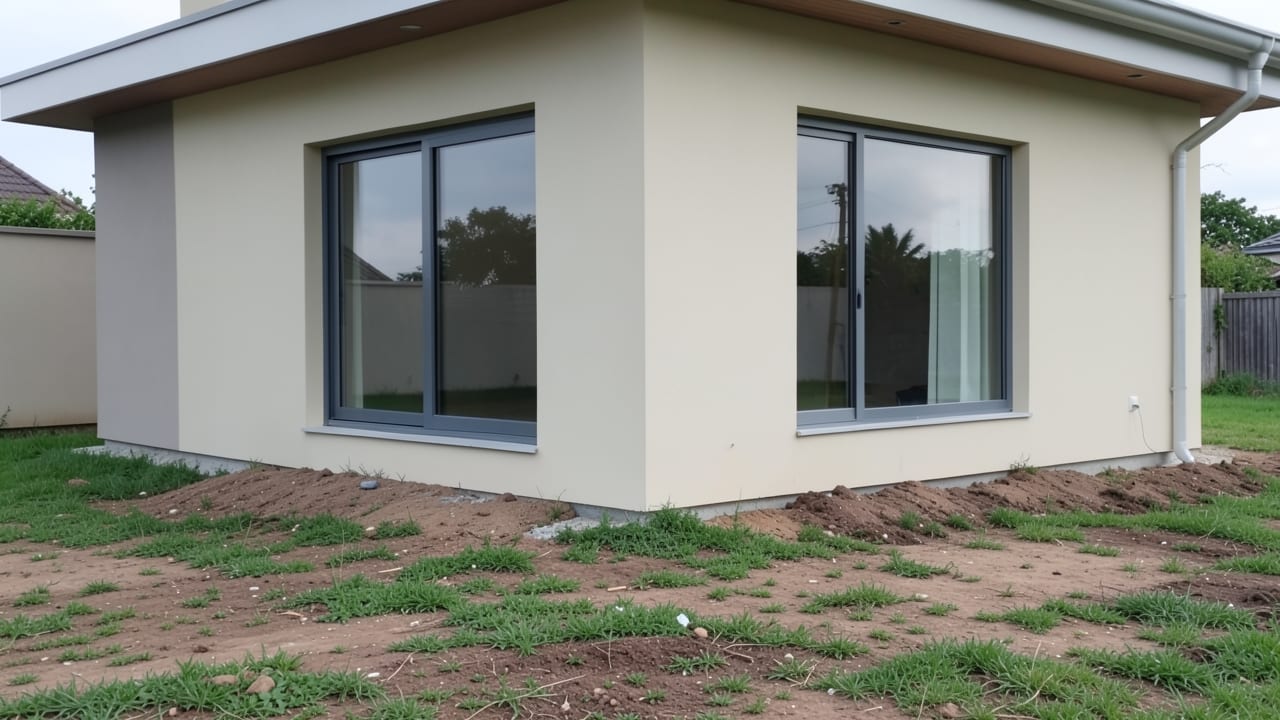
New Construction Final Clean in Bellevue, WA
Thorough post-construction cleanup using pressure washing to remove debris, dust, and residue from new builds.
Learn More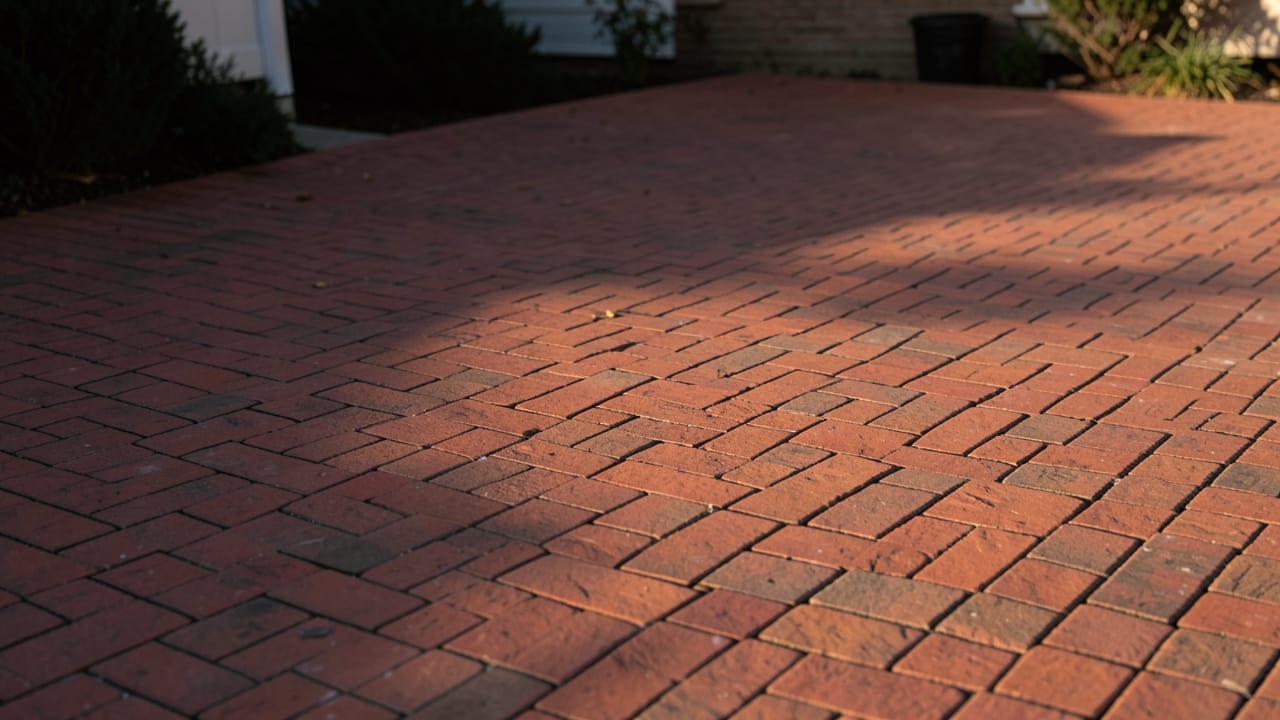
Salt Deposit Removal in Bellevue, WA
High-pressure washing to remove salt deposits from surfaces like driveways and sidewalks.
Learn More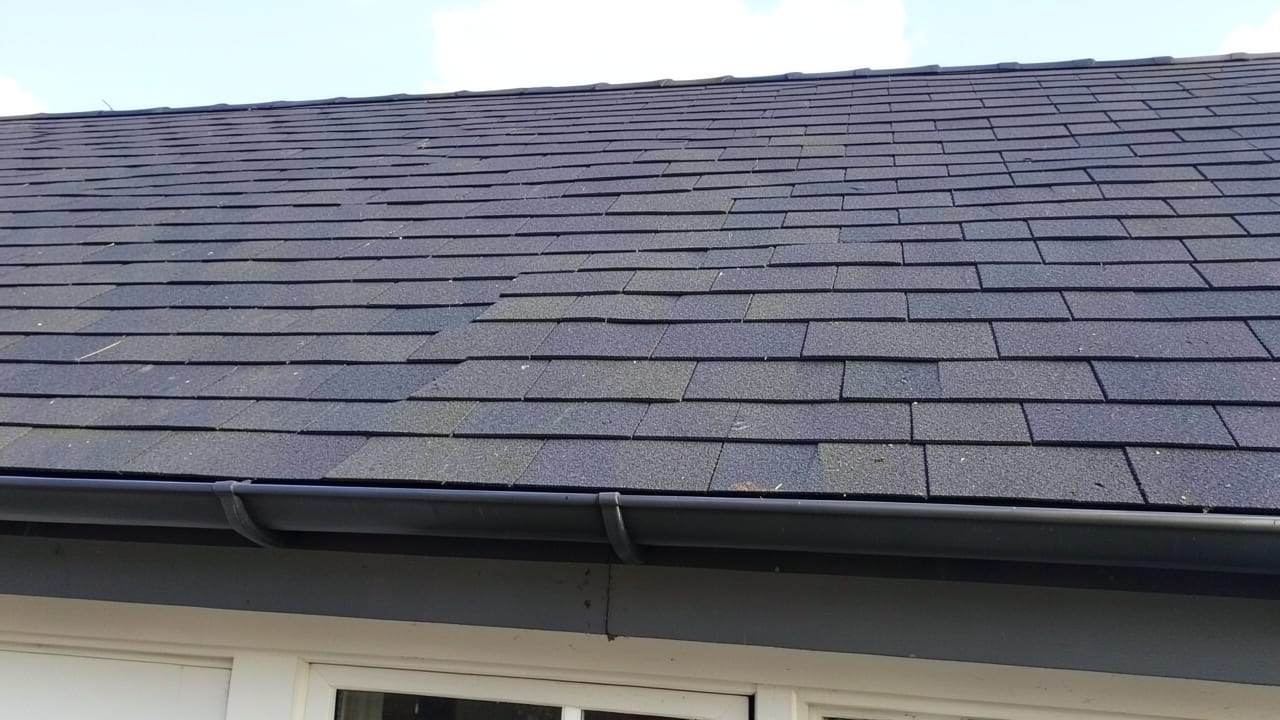
Algae Treatment in Bellevue, WA
Professional pressure washing to remove algae from exterior surfaces like roofs, siding, and driveways.
Learn More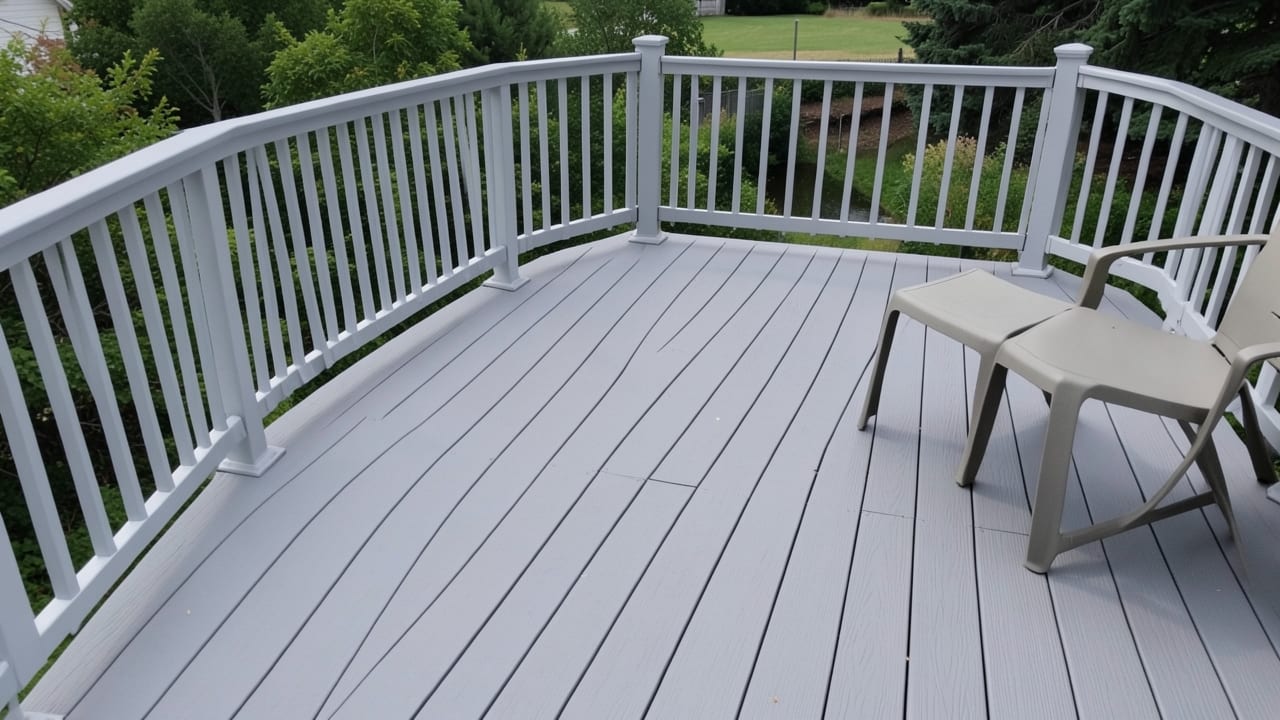
Spring Pollen Removal in Bellevue, WA
High-pressure washing to remove pollen buildup from exterior surfaces.
Learn More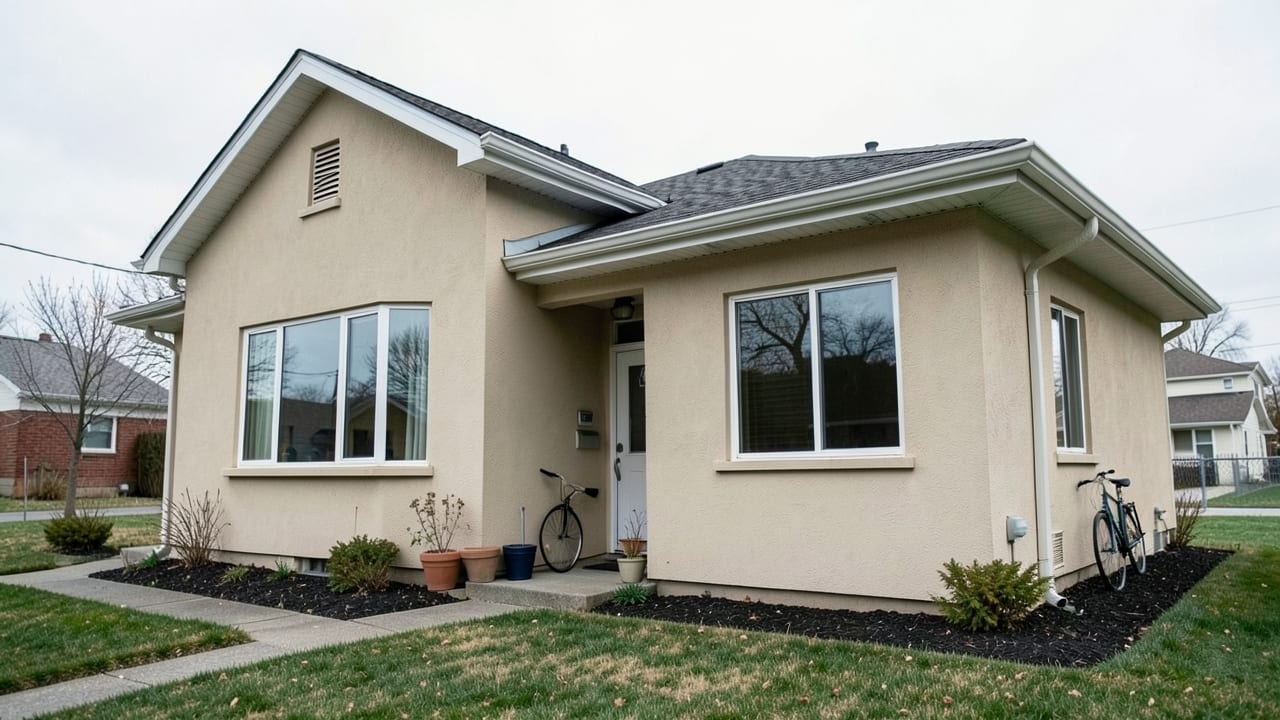
Pre-Sale Exterior Refresh in Bellevue, WA
High-pressure cleaning of home exteriors, driveways, decks, and walkways to remove dirt, grime, and stains.
Learn More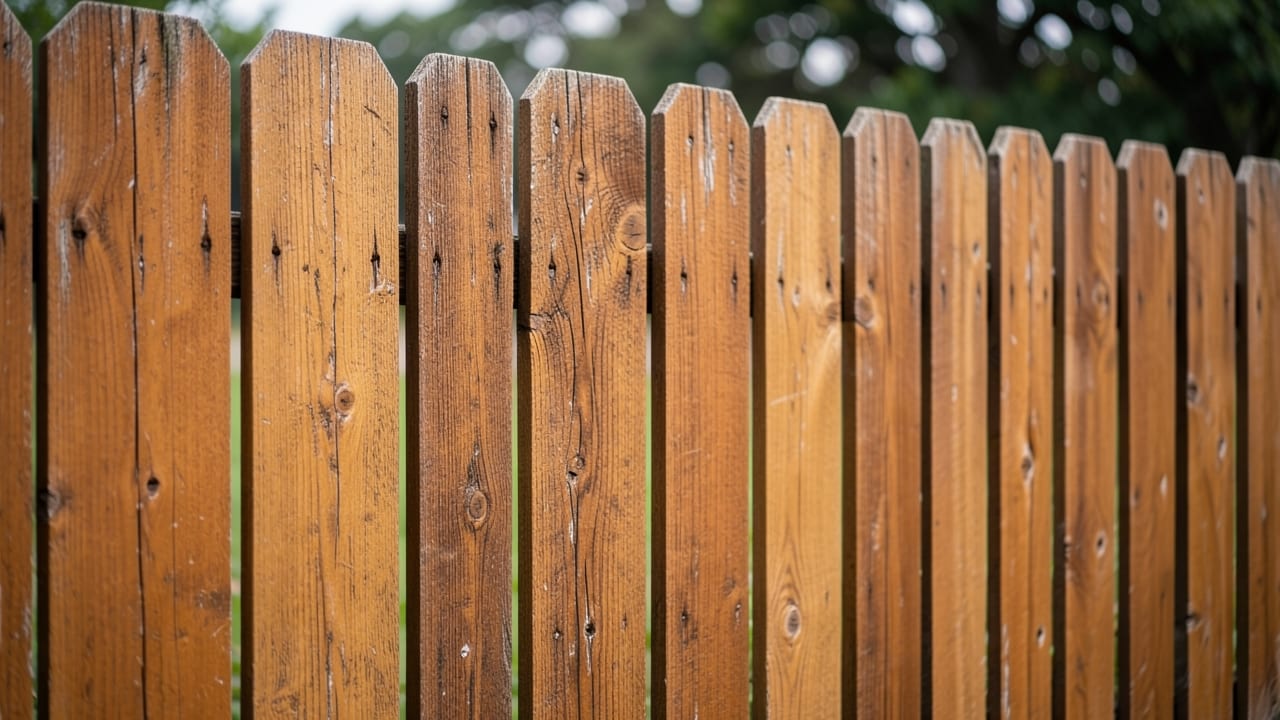
Restoration Wash in Bellevue, WA
High-pressure cleaning to remove dirt, grime, and stains from exterior surfaces.
Learn MoreCommon Questions About Pressure Washing in Bellevue
Everything you need to know about pressure washing services in Bellevue
How much does Fleet Washing typically cost in Bellevue, WA?
Does winter road salt affect driveway washing needs in Bellevue, WA?
Can the wrong PSI actually damage a house or driveway?
What's the actual difference between pressure washing and soft washing?
How often should a home's exterior actually be washed?
Are the cleaning chemicals used in soft washing safe for landscaping and pets?
Need Pressure Washing in Bellevue?
Get a written quote from our Bellevue crew.
⏰ We answer your call • Serving all of Bellevue and surrounding areas