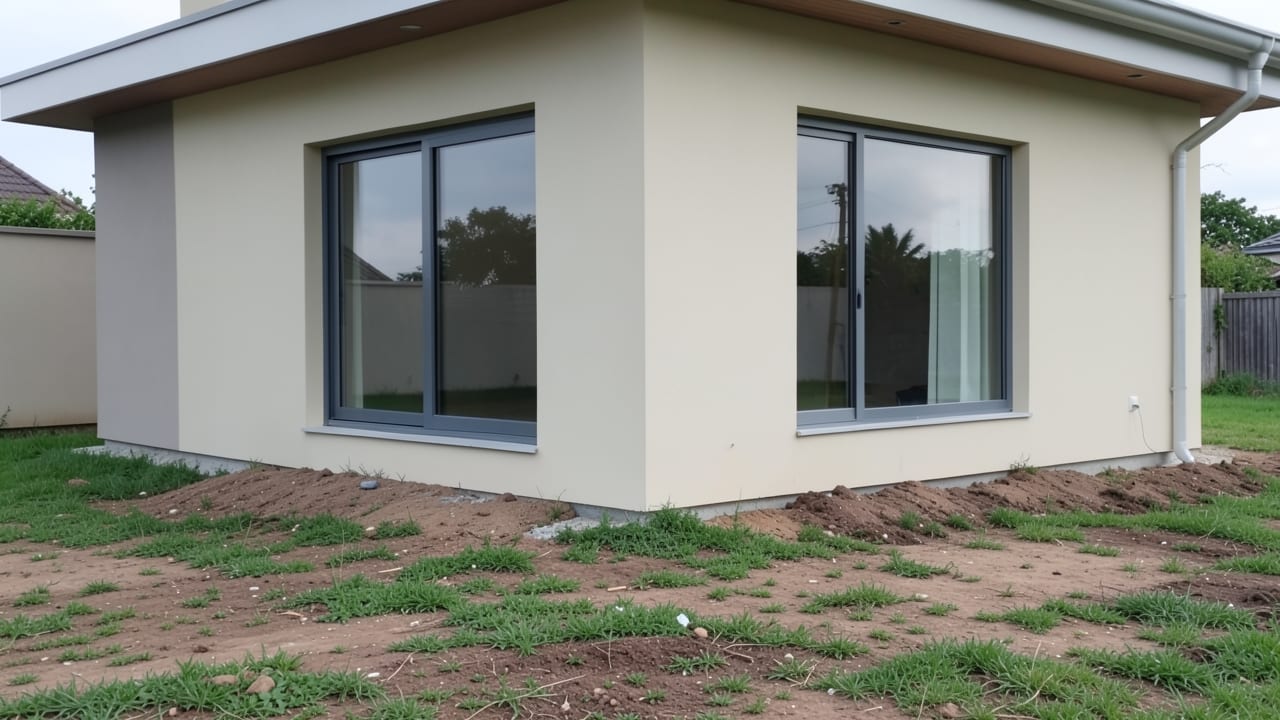
New Construction Final Clean
Thorough post-construction cleanup using pressure washing to remove debris, dust, and residue from new builds.
In Bellevue, WA, a New Construction Final Clean removes construction dirt, paint splatters, and concrete residue from driveways, sidewalks, and siding after a build.
Unlike standard pressure washing, this service protects landscaping, uses material-specific detergents, and ensures no damage to delicate surfaces like vinyl or stucco—leaving your home spotless and ready for move-in or inspection.
We also handle Pool Deck Cleaning and Rust Removal for Bellevue properties.
Why your new home needs this clean
Algae, mildew, and construction grime build up gradually, often hiding until they’re obvious—like green streaks on shaded siding or chalky residue you can feel but not see. A final clean catches these before they set, especially in Bellevue’s damp climate, where moisture fuels mold growth.
Skipping it means dirt gets trapped in siding seams, leading to hidden rot or mold later.
Landscaping near the foundation is at risk too. Overspray or runoff from improper washing can kill plants or damage mulch. Professional crews protect these areas first, using barriers and low-pressure techniques to avoid collateral damage while ensuring every surface—driveways, walkways, and siding—gets a thorough, even clean.
Signs You Need a Final Clean *Now*
- Green or black streaks on siding (algae/mildew—common on north-facing walls or shaded sections).
- Chalky residue when you run a hand over the siding (oxidation or grime buildup).
- Cobwebs, insect debris, or dirt collecting in corners, under eaves, or around light fixtures.
- Visible streaking or uneven texture after a DIY wash (zebra striping from inconsistent passes).
- Water stains or discoloration where sprinklers or gutters overflow onto the siding.
What affects cost and timing?
The size of your home’s exterior and the materials used drive pricing. Vinyl siding requires gentler pressure than concrete, while stucco or fiber cement need specialized detergents to avoid damage. In Bellevue, most jobs fall within a sourced-range of $1,500–$5,000+, depending on square footage and surfaces included (driveways, decks, roofs).
Timing matters too. Scheduling during dry weather avoids runoff issues, and crews prioritize jobs with accessible landscaping—no overgrown bushes blocking the foundation. Pre-existing damage (like cracked paint or loose mortar) may surface during the clean, so confirm upfront how those are handled.
What to watch for in a quote
Not all pressure washing is equal—especially for new construction. A reputable quote will specify PSI levels for each surface (siding vs. concrete) and whether a soft-wash (low-pressure detergent method) is used.
Vinyl siding, for example, can crack if hit with high pressure, while stucco may need a different chemical blend to avoid erosion.
Beware of quotes that lump all surfaces together under one price or demand full payment upfront. Always ask for a written scope listing every area included (driveway, roof, deck) and how pre-existing damage is addressed. Undisclosed chemicals can harm landscaping, and a rush job risks streaking or missed spots.
| Red Flag | Why It’s Risky | What to Ask Instead |
|---|---|---|
| No PSI/method specified per surface | Wrong pressure can damage siding, roofing, or wood. | ‘What PSI and technique (pressure vs. soft wash) will you use for my siding/roof/deck?’ |
| Price far below other bids for the same square footage | May indicate rushed work, no detergent, or low-quality equipment. | ‘What’s included in your estimate? Detergents? Surface protection?’ |
| Full payment demanded before the job starts | Removes leverage if streaking or damage appears afterward. | ‘What’s your payment schedule, and how are revisions handled?’ |
| Pressure to add services on-site without written pricing | Add-ons are harder to compare to other quotes. | ‘Can I get a separate estimate for any extra work before you start?’ |
How new construction final clean works
- 1Protect Surroundings
Landscaping near the foundation is wetted down and covered with tarps, and exterior outlets or fixtures are bagged. This prevents detergent runoff or overspray from damaging plants, mulch, or siding seams.
- 2Apply Material-Specific Detergent
A low-pressure spray applies a cleaning solution formulated for your siding type (vinyl, wood, stucco, or fiber cement). The detergent dwells to break down algae, mildew, and construction grime chemically, reducing the need for high pressure.
- 3Rinse at Controlled Pressure
The siding is rinsed with a wide-fan tip at under 500 PSI, working top to bottom in overlapping passes. Inconsistent speed causes streaking, so operators move at a steady pace to ensure even coverage.
- 4Spot-Treat Stubborn Stains
Heavily stained areas get a second, concentrated pass with a stronger detergent instead of higher pressure. Raising PSI risks forcing water behind siding seams, which can cause mold or rot inside wall cavities.
- 5Final Inspection and Rinse
A clear-water rinse removes all detergent residue, and the crew walks the siding in daylight to check for missed spots or damage. Any lifting panels or cracks are noted for separate repair.
Frequently asked questions
Will pressure washing damage my new siding or driveway?
If done correctly, no—but wrong pressure or technique can. Vinyl siding cracks under high PSI, stucco can erode, and concrete driveways may etch if washed too aggressively. A professional uses material-specific detergents and PSI levels (e.g., under 500 PSI for siding) to avoid damage.
How do I know if my siding needs a final clean before move-in?
Look for green/black streaks (algae), chalky residue when touched, or dirt trapped in corners/eaves. If your siding feels gritty or looks uneven after a DIY wash, it’s time for a pro clean—especially in Bellevue’s damp climate, where mold spreads quickly.
Can I save money by doing this myself?
DIY risks streaking, missed spots, or damage from incorrect pressure. Professionals use low-pressure soft-wash methods and material-specific chemicals to avoid these issues. A botched job can cost more to fix later than hiring a pro upfront.
Will the cleaning harm my plants or landscaping?
Not if done right. Crews protect landscaping with tarps and wet down nearby plants before spraying. Ask if they use biodegradable detergents—some chemicals can burn grass or kill mulch if not rinsed properly.
Where Bellevue sits, and what the Census lists nearby
Bellevue sits in Washington, and the closest places listed in the U.S. Census Gazetteer are Beaux Arts Village (2.4 miles west), Clyde Hill (3.6 miles northwest), Mercer Island (4.2 miles southwest), Yarrow Point (4.4 miles northwest).
Within 25 miles of Bellevue the same source lists 110 distinct incorporated places and census-designated places.
Those figures matter for new construction final clean because they are straight-line distances between Census coordinate points: road mileage between Bellevue and Beaux Arts Village runs longer than the 2.4 miles shown, which is why quotes for the same job differ between towns that look close together on a map.
Source: U.S. Census Bureau Gazetteer.
See Sammamish, WA for more, or see what's included in our Bellevue service on a single page for our complete lineup.
Ready to get started?
Talk to a local pressure washing pro in Bellevue — get a written quote.
Other Pressure Washing Services in Bellevue
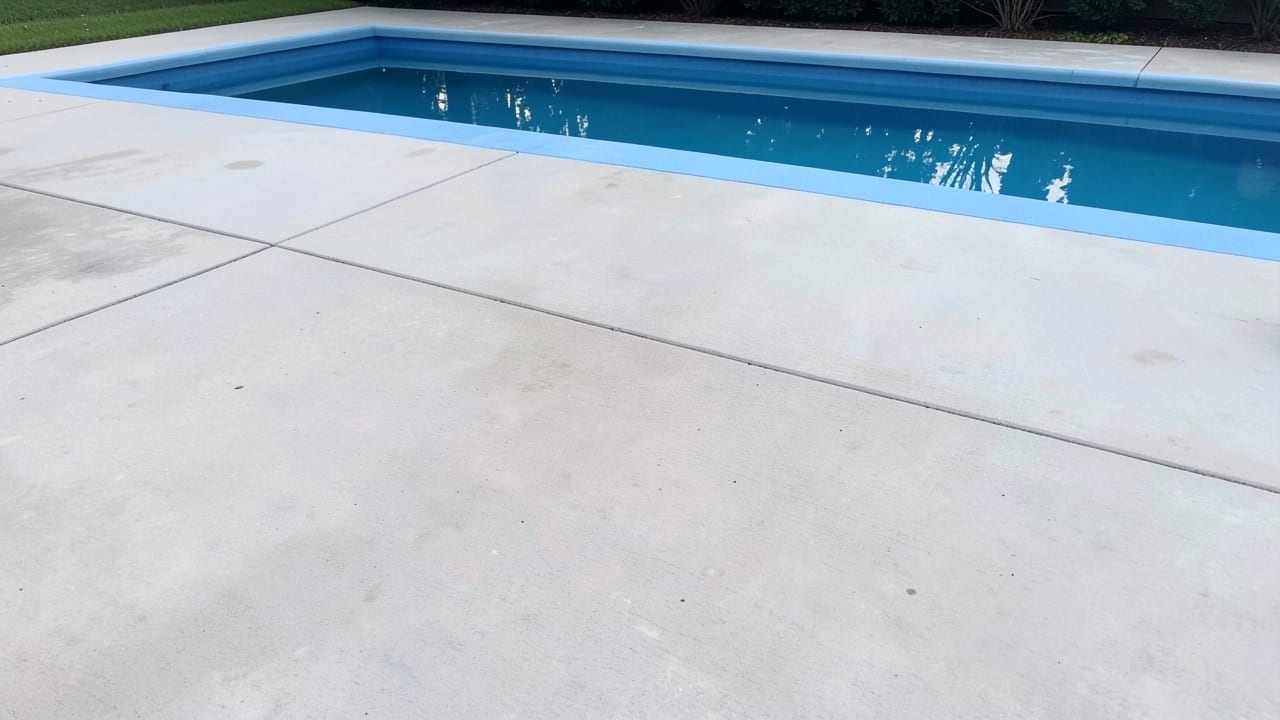
Pool Deck Cleaning in Bellevue, WA
Pool deck cleaning in Bellevue, WA — chemical-safe cleaning that restores slip resistance and removes algae staining.
Learn More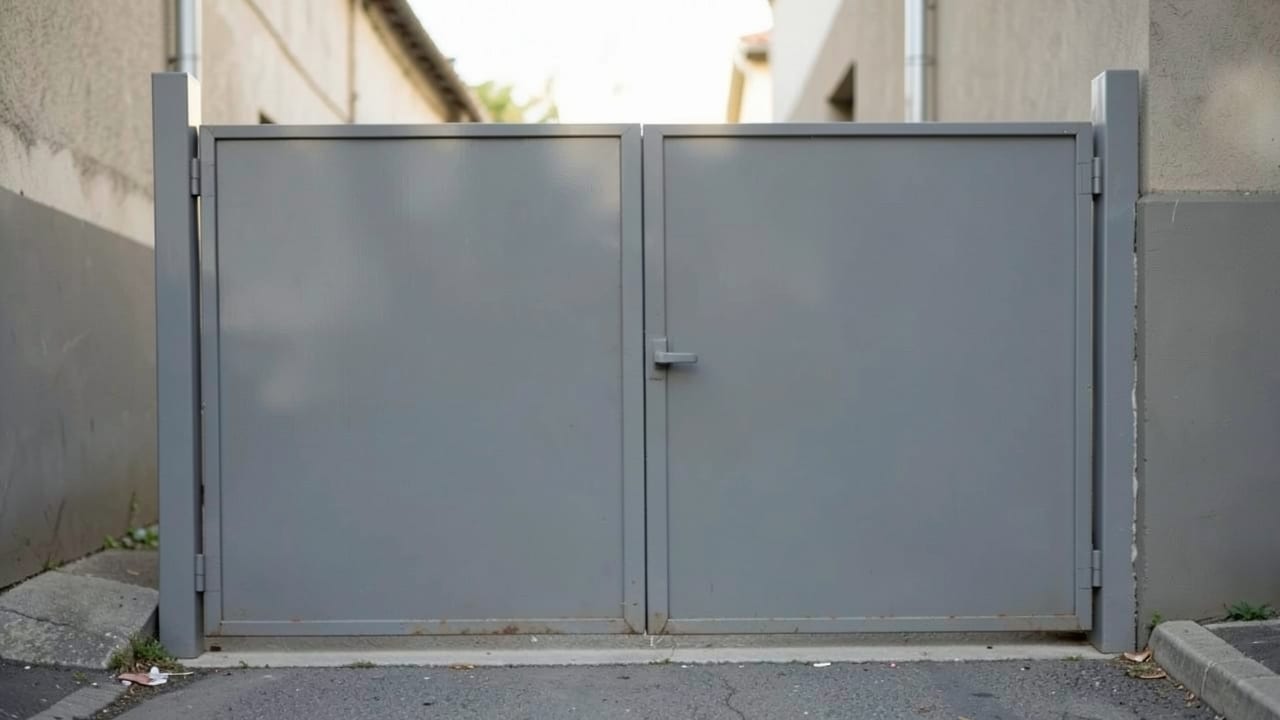
Rust Removal in Bellevue, WA
Professional pressure washing to remove rust stains from driveways, sidewalks, and exterior surfaces.
Learn More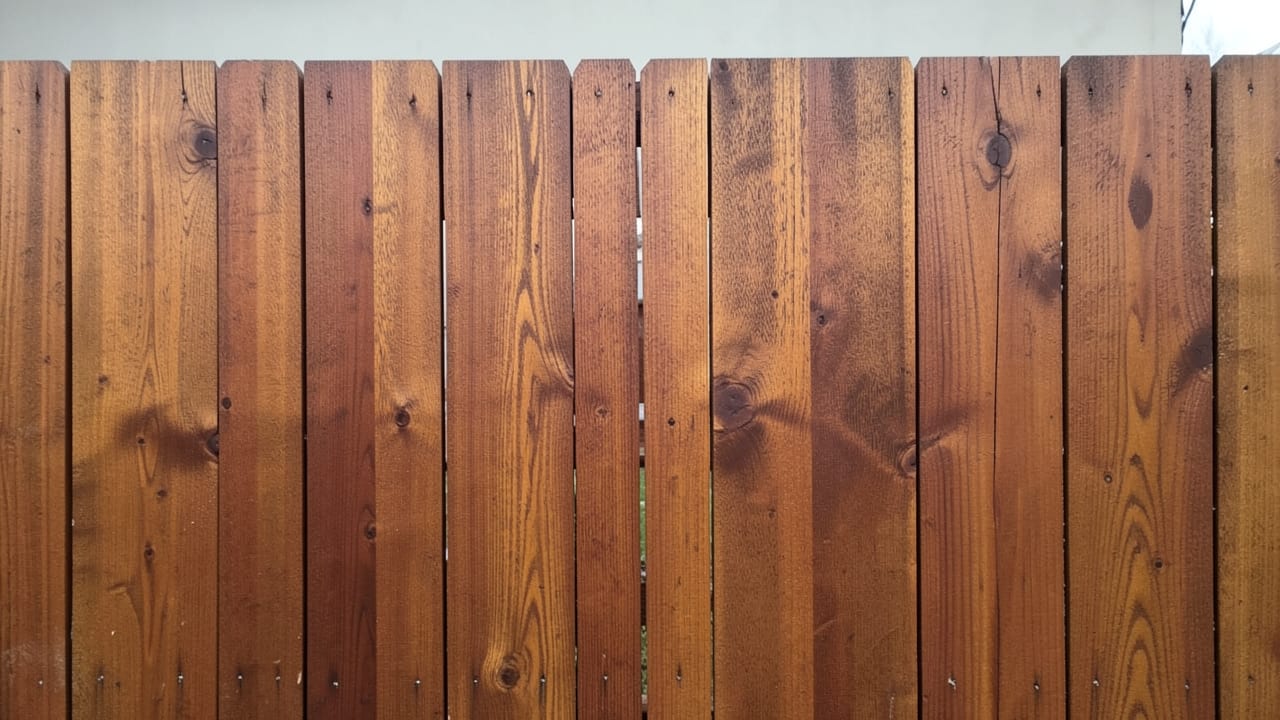
Mildew Treatment in Bellevue, WA
Professional pressure washing to remove mildew from exterior surfaces like siding, decks, and fences.
Learn More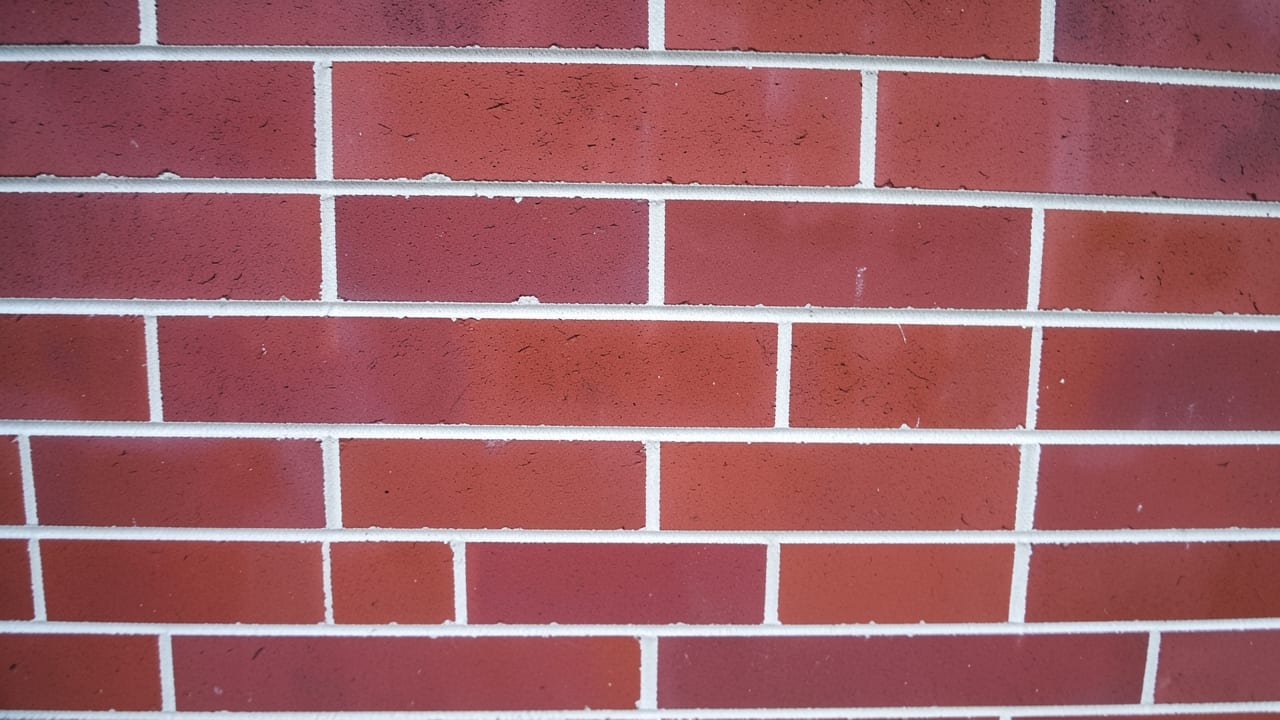
Brick Cleaning in Bellevue, WA
Professional pressure washing to remove dirt, grime, and stains from brick surfaces.
Learn More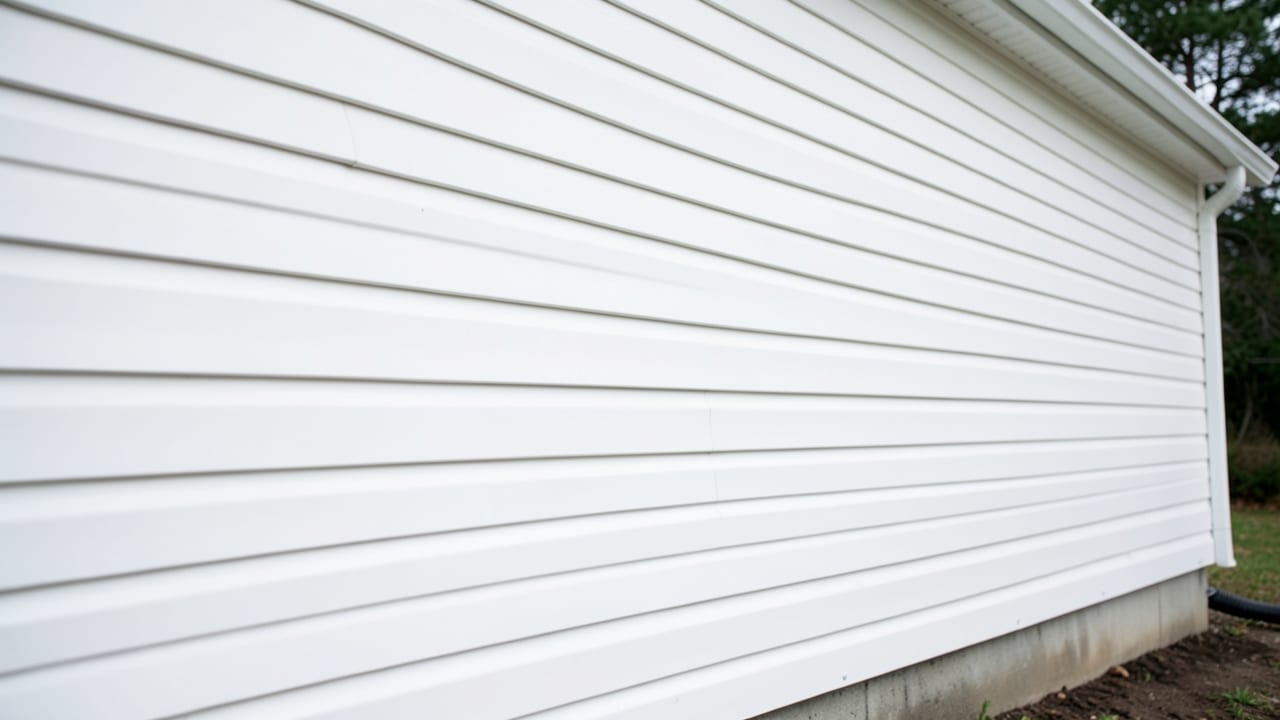
Vinyl Siding Cleaning in Bellevue, WA
Professional pressure washing to remove dirt, mold, and grime from vinyl siding.
Learn More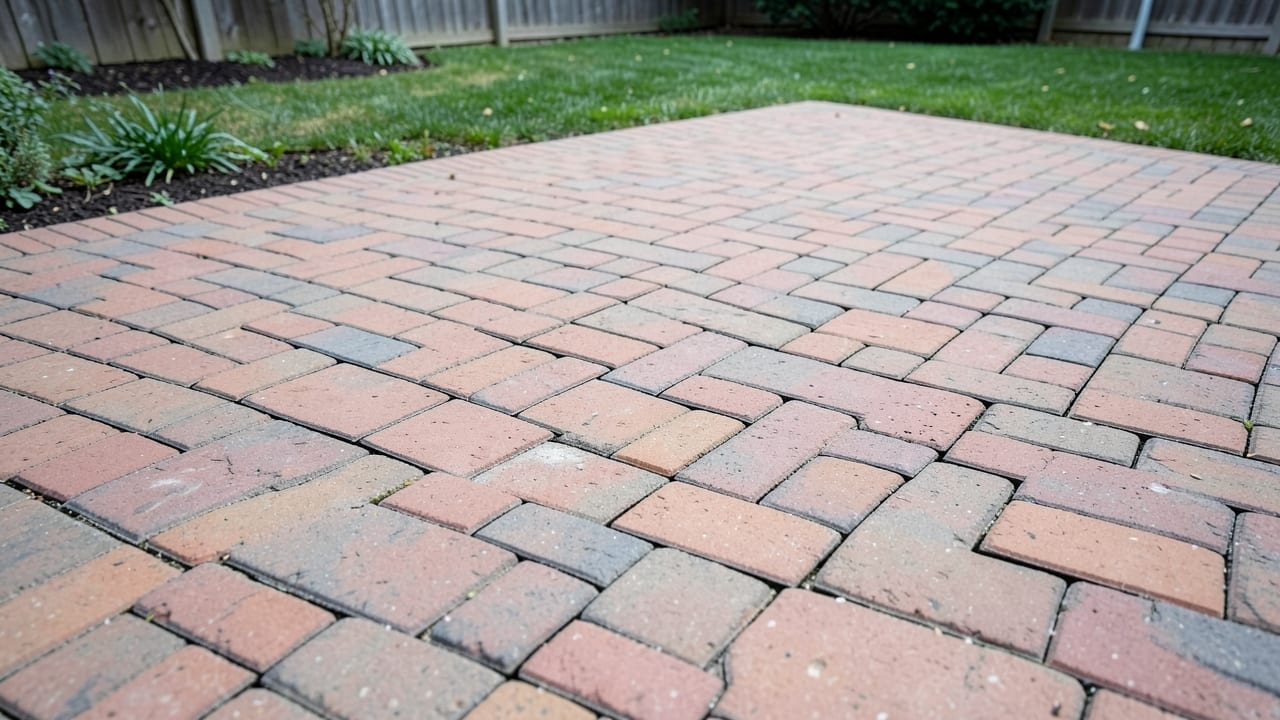
Patio Cleaning in Bellevue, WA
High-pressure washing to remove dirt, grime, and stains from patios, restoring their appearance.
Learn MoreCommon Questions About Pressure Washing in Bellevue
Everything you need to know about pressure washing services in Bellevue
How much does New Construction Final Clean typically cost in Bellevue, WA?
Does winter road salt affect driveway washing needs in Bellevue, WA?
What are the actual named steps in a professional pressure washing job?
Can the wrong PSI actually damage a house or driveway?
What's the actual difference between pressure washing and soft washing?
How often should a home's exterior actually be washed?
Need Pressure Washing in Bellevue?
Get a written quote from our Bellevue crew.
⏰ We answer your call • Serving all of Bellevue and surrounding areas