How to Prepare Your Bellevue Property for Spring with Pressure Washing
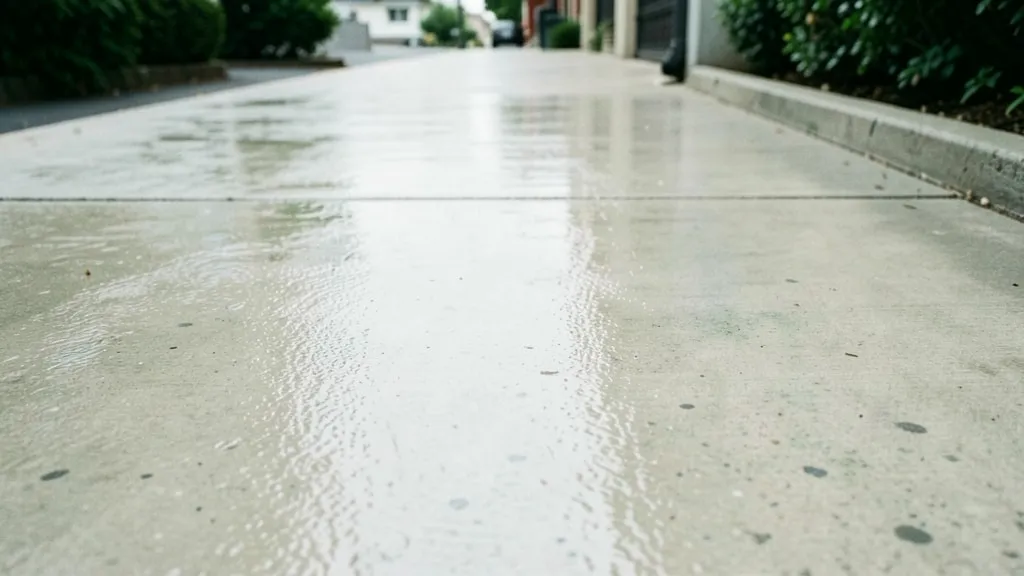
Spring in the Pacific Northwest brings rain, pollen, and a fresh layer of grime to homes and driveways. We’ve helped countless neighbors in Kirkland, Redmond, and Medina reclaim their property’s shine with the right pressure washing approach. Here’s how to do it safely and effectively.
Why Spring Is the Perfect Time for Pressure Washing in the Pacific Northwest
Winter leaves behind a film of dirt, moss, and mildew that thrives in our damp climate. Pressure washing in early spring removes this buildup before it causes long-term damage to siding, decks, or concrete.
Warmer temps and longer daylight hours mean surfaces dry faster, reducing the risk of water intrusion. It’s also the ideal window before pollen season kicks in, which can quickly re-soil freshly cleaned areas.
The Risks of DIY Pressure Washing on Delicate Surfaces
Using the wrong PSI or nozzle can etch concrete, strip paint, or damage wood fibers. Soft wash systems are critical for roofs, cedar siding, and older homes common in neighborhoods like Medina or Newcastle.
Improper technique can also force water behind siding or into electrical components, leading to costly repairs. We’ve seen DIY mishaps that turned a simple house wash into a full exterior renovation.
Never pressure wash a roof with high PSI. Soft wash is the only safe method for asphalt shingles and cedar shakes.
Pressure Washing vs. Soft Washing: What’s the Difference?
Traditional pressure washing uses high PSI (2,000–4,000) to blast away dirt from durable surfaces like driveways and brick. It’s fast and effective but can damage softer materials.
Soft washing uses lower PSI (500–1,000) combined with specialized detergents to kill algae, moss, and mildew at the root. It’s the go-to for roofs, decks, and painted surfaces.
| Surface | Recommended Method | PSI Range | Key Benefit |
|---|---|---|---|
| Driveways & Sidewalks | Pressure Washing | 2,500–4,000 PSI | Deep cleans porous concrete |
| Vinyl or Fiber Cement Siding | Soft Washing | 500–1,000 PSI | Prevents water intrusion |
| Cedar Decks & Fences | Soft Washing | 600–1,200 PSI | Preserves wood fibers |
| Asphalt Roofs | Soft Washing | 300–800 PSI | Kills moss without damage |
| Brick or Stone | Pressure Washing | 1,500–3,000 PSI | Removes efflorescence |
Step-by-Step: Prepping Your Property for a Professional Wash
Clear the work area of outdoor furniture, potted plants, and vehicles. This protects your belongings and gives our team unobstructed access to all surfaces.
Trim back shrubs or tree branches touching your home. This prevents shadows that slow drying and reduces the risk of recontamination from overhanging foliage.
Inspect for loose paint, cracked caulk, or damaged wood. Addressing these issues before washing ensures water doesn’t exacerbate existing problems.
Pre-Wash Checklist
- Remove or cover outdoor electronics and lighting
- Close windows and doors tightly
- Check downspouts for clogs (gutter cleaning may be needed first)
- Identify delicate plants that may need protection from runoff
- Note any areas with peeling paint or rot
Tackling Bellevue’s Toughest Stains: Moss, Algae, and Pollen
Our region’s moisture and shade create perfect conditions for moss and algae. These aren’t just eyesores—they retain moisture, accelerating rot on wood and degradation on roofs.
Pollen in spring can stain siding and decks yellow if not removed promptly. A thorough wash with the right detergents lifts these contaminants without harsh scrubbing.
For driveways, oil stains and tire marks often require a degreaser pre-treatment. Concrete cleaning in Issaquah or Bellevue often reveals hidden cracks that need sealing afterward.
Moss returns quickly if not treated at the root. Soft wash with a moss-killing detergent provides longer-lasting results than pressure alone.
What to Expect During and After Your Pressure Washing Service
A professional crew will start with a walkthrough to assess surfaces, identify problem areas, and select the right PSI and detergents. This step prevents damage and ensures thorough cleaning.
During the wash, we work in sections, allowing time for detergents to dwell and break down grime. For multi-story homes, we use extension wands or lifts to safely reach upper levels.
Surfaces typically dry within 24–48 hours, depending on weather. Avoid walking on decks or driveways until fully dry to prevent slips or re-soiling.
Maintaining Your Clean: Post-Washing Care for Long-Term Results
Sealing driveways and decks after cleaning extends their lifespan and makes future washes easier. Concrete sealing is especially critical in our freeze-thaw cycles.
Regular gutter cleaning prevents overflow that can re-stain siding. We often bundle gutter cleaning with house washing for neighbors in Kirkland and Redmond.
Scheduling annual or bi-annual washes keeps grime from building up. Properties near evergreen trees or in shaded areas may need more frequent attention.
When to Call the Pros: Signs Your Property Needs More Than a Wash
If you notice peeling paint, warped wood, or cracks in your driveway, pressure washing alone won’t fix the underlying issue. These are signs of moisture damage that may require repairs first.
Stubborn stains like graffiti or heavy oil require specialized equipment and cleaners. Our graffiti removal services restore surfaces without harming the substrate.
For commercial properties, regular pressure washing maintains safety and compliance. Slippery sidewalks or dirty storefronts can deter customers and pose liability risks.
ADA compliance often requires clean, non-slip walkways. Pressure washing is a cost-effective way to meet these standards.
How to Choose the Right Pressure Washing Method for Your Surface
Not all surfaces can handle the same pressure. Here’s how to pick the right approach.
- 1Identify the Material
Determine if the surface is hard (concrete, brick) or soft (wood, roof shingles). This dictates whether you need pressure or soft washing.
- 2Assess the Contaminant
Moss and algae require detergents, while dirt and pollen can often be removed with pressure alone. Oil stains need degreasers.
- 3Check for Damage
Inspect for cracks, loose paint, or rot. Damaged areas may need repairs before washing to avoid further harm.
- 4Consider the Surroundings
Nearby plants, electronics, or delicate landscaping may require protective measures or a gentler method.
- 5Test a Small Area
Always test a hidden spot to ensure the PSI and detergent won’t damage the surface. Adjust as needed.
Frequently Asked Questions
How often should I pressure wash my Bellevue home?
Most homes benefit from annual washing, but properties with heavy tree cover or in damp areas like Issaquah may need it twice a year. Roofs and decks often require soft washing every 1–2 years to prevent moss regrowth.
Can pressure washing damage my siding?
Yes, if done incorrectly. High PSI can strip paint, dent vinyl, or force water behind siding. Soft washing is safer for most residential exteriors. Always hire professionals familiar with Pacific Northwest homes.
How can I clean my driveway in Bellevue’s climate?
Pressure washing with a degreaser pre-treatment works best for oil stains and embedded dirt. For moss or algae, a soft wash with a biocide prevents quick regrowth. Sealing afterward adds protection against our wet winters.
Do I need to be home during the pressure washing service?
No, but we recommend being available for the initial walkthrough to point out problem areas. After that, you can leave us to work—just ensure pets are indoors and vehicles are moved.
Will pressure washing remove paint from my deck?
It can if the paint is old or peeling. We use lower PSI and wide-angle nozzles for decks to avoid stripping paint. For heavily peeling decks, sanding and re-staining may be needed after cleaning.
Can you pressure wash in the rain?
No, rain can dilute detergents and make surfaces unsafe to work on. We monitor the forecast and reschedule if rain is expected during or shortly after the service.