Pressure Washing Your Bellevue Pool Deck for Safety and Longevity
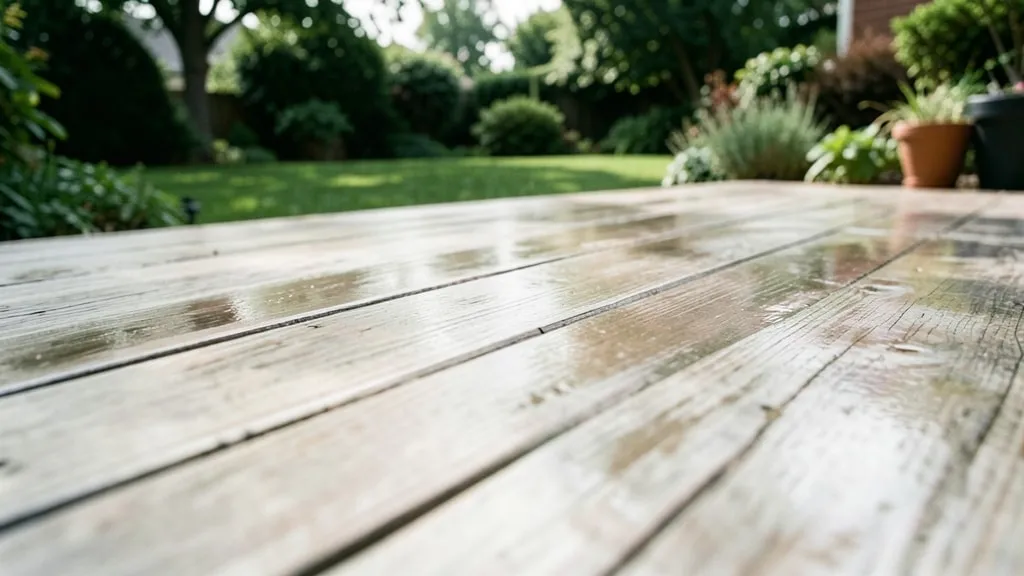
A pool deck takes a beating from chlorine, foot traffic, and our damp Pacific Northwest climate. Proper pressure washing removes contaminants and restores safety, but doing it wrong can etch surfaces or strip sealants. We’ll show you how to clean effectively without causing harm.
Why Pool Decks in Our Area Need Regular Cleaning
Bellevue’s mild, wet winters and sunny summers create the perfect storm for organic growth. Algae, moss, and mildew thrive on moist pool decks, turning surfaces slick and hazardous.
Chlorine and sunscreen residues also break down sealants faster, leaving concrete, pavers, or wood vulnerable to staining and deterioration. Regular cleaning isn’t just cosmetic—it’s preventive maintenance.
Concrete vs. Pavers vs. Composite: What to Know Before Washing
Each material demands a different approach. Concrete can handle higher PSI but risks etching if the nozzle is too close. Pavers need gentle pressure to avoid dislodging joint sand.
Composite and wood decking require lower PSI and wider spray patterns to prevent fiber damage or splintering. Soft washing is often the safest method for delicate surfaces.
| Material | Recommended PSI | Nozzle Tip | Notes |
|---|---|---|---|
| Concrete | 2,500–3,500 PSI | 25° or 40° | Use a surface cleaner for even coverage; avoid 0° tip |
| Pavers | 1,500–2,500 PSI | 40° | Keep nozzle 12–18" away to protect joint sand |
| Wood/Composite | 1,200–1,800 PSI | 40° or 65° | Pre-treat with mild detergent; avoid direct high-pressure streams |
| Stamped/Colored Concrete | 1,800–2,500 PSI | 40° | Test in a small area first to check for color fading |
The Hidden Dangers of DIY Pressure Washing
Many homeowners underestimate the risks. Using the wrong PSI or nozzle can strip away sealants, pit concrete, or even crack pavers. Improper technique often leads to streaking or uneven cleaning.
There’s also the safety factor: high-pressure streams can cause serious injury, and chemical cleaners require proper handling. We’ve seen DIY jobs turn into costly repairs.
A 0° (red) nozzle concentrates pressure into a tiny, high-impact stream that can cut skin or damage surfaces instantly. Always start with a 25° or 40° tip for pool decks.
Pre-Wash Prep: The Key to a Flawless Finish
Clear the deck of furniture, toys, and planters. Sweep away loose debris to prevent clogging the pressure washer or scratching the surface during cleaning.
Pre-treat stubborn stains with a pool-safe degreaser or algae remover. For wood decks, a mild oxygen bleach solution helps lift mildew without harming fibers.
Pre-Wash Checklist
- Remove all movable items from the deck
- Sweep or leaf-blow debris
- Cover nearby plants with plastic sheeting if using chemicals
- Inspect for loose pavers or damaged sealant
- Test detergent in a small area first
Choosing the Right Cleaning Method for Your Deck
Soft washing is ideal for delicate surfaces like wood or composite. It uses low pressure (500–1,500 PSI) combined with specialized cleaners to lift contaminants without damage.
For concrete or pavers, a surface cleaner attachment ensures even pressure distribution and speeds up the job. Hot water pressure washing can tackle grease and oil stains more effectively than cold water.
If your deck has visible mold, mildew, or algae, soft washing kills spores at the root. This prevents rapid regrowth, especially in shaded areas common in Bellevue backyards.
Post-Wash Care: Sealing and Protecting Your Investment
After cleaning, allow the deck to dry completely—usually 24–48 hours, depending on humidity. Then, apply a high-quality sealant to restore protection against moisture, UV rays, and stains.
For concrete, a penetrating sealer works best. Wood decks benefit from a semi-transparent stain-sealant combo to enhance grain while shielding against the elements.
Seasonal Considerations for Bellevue Pool Decks
Spring and fall are the best times to pressure wash. Summer’s heat can cause cleaners to dry too quickly, reducing effectiveness, while winter’s cold makes it hard for surfaces to dry properly.
In areas like Kirkland or Redmond, where tree cover is dense, more frequent cleaning may be needed to combat leaf debris and organic buildup.
How to Pressure Wash a Pool Deck Safely
Follow these steps to clean your pool deck without causing damage.
- 1Select the Right Equipment
Use a pressure washer with adjustable PSI (1,500–3,500 PSI range). Attach a 25° or 40° nozzle and a surface cleaner for large areas.
- 2Pre-Treat Stains
Apply a deck-safe cleaner or degreaser to stained areas. Let it dwell for 10–15 minutes, but don’t allow it to dry.
- 3Start with Low Pressure
Begin at the lowest effective PSI for your material. Hold the nozzle 12–18 inches from the surface and test in an inconspicuous area.
- 4Work in Sections
Clean in overlapping passes, moving from the farthest corner toward the pool. Keep the stream moving to avoid etching.
- 5Rinse Thoroughly
Use clean water to rinse away all detergent and debris. For wood, a final rinse with a fan tip helps prevent water absorption.
- 6Inspect and Dry
Check for missed spots or damage. Allow the deck to dry completely before walking on it or applying sealant.
Frequently Asked Questions
How often should I pressure wash my pool deck in Bellevue?
We recommend cleaning every 1–2 years, depending on use and exposure. Decks in shaded, damp areas (like those near Issaquah or Newcastle) may need annual attention to prevent mold and algae buildup.
Can pressure washing remove efflorescence from my concrete pool deck?
Yes, but it requires the right technique. Efflorescence is a mineral deposit that often needs a mild acid wash (like diluted muriatic acid) before pressure washing. Always test a small area first.
Is it safe to pressure wash a deck with a fresh sealant?
No. Wait at least 30–60 days after sealing before pressure washing to allow the sealant to cure fully. Washing too soon can strip the protective layer.
What’s the best way to clean between pavers?
Use a pressure washer with a 25° nozzle at a lower PSI (around 1,500) and hold it at a 45° angle to blast debris from joints without dislodging sand. A leaf blower can help dry the area afterward.
Do you offer pool deck cleaning for commercial properties in Medina or nearby?
Absolutely. Our team handles both residential and commercial pressure washing, including pool decks, patios, and surrounding areas. Request a quote to discuss your property’s needs.
Will pressure washing damage my deck’s color or finish?
It can if done incorrectly. High PSI, the wrong nozzle, or harsh chemicals can fade or strip finishes. That’s why we always tailor the pressure and method to your deck’s material.