Pressure Washing Your Business’s Sidewalk for Safety and Compliance in Bellevue
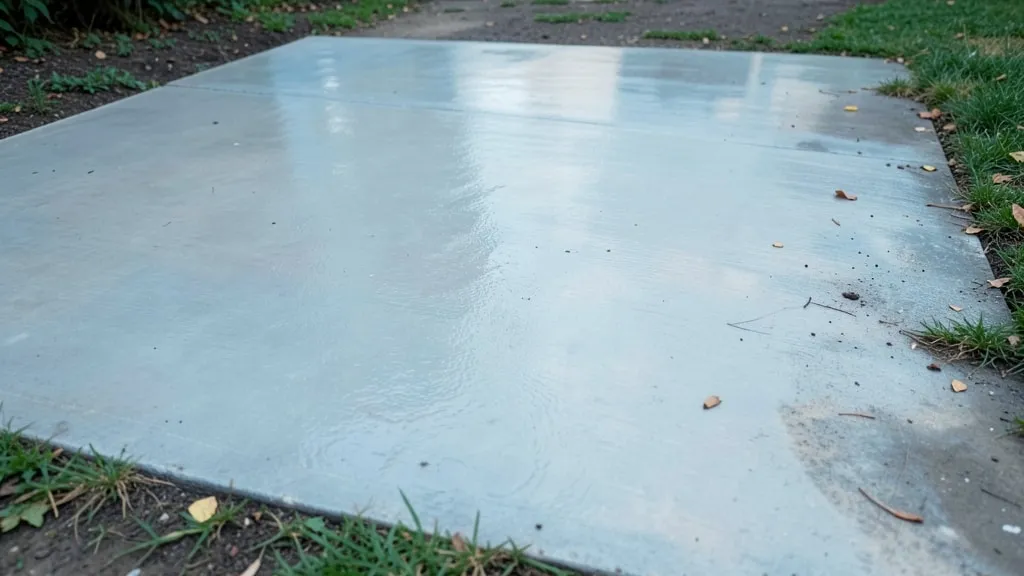
A clean, well-maintained sidewalk isn’t just about curb appeal—it’s a legal and safety priority for Bellevue businesses. Slippery algae, stubborn gum, or oil stains can create liabilities and turn away customers. We’ll walk you through why professional pressure washing is the smartest way to keep your walkways safe, compliant, and inviting.
Why Sidewalk Cleaning Matters for Bellevue Businesses
Bellevue’s damp climate accelerates moss, algae, and mildew growth on concrete, creating slip hazards that expose businesses to liability risks. Regular cleaning isn’t just cosmetic—it’s proactive risk management.
The city’s urban core sees heavy foot traffic, which means sidewalks accumulate grime, chewing gum, and oil stains faster than in quieter areas like Medina or Newcastle. Neglecting these issues can lead to costly fines or lawsuits.
ADA Compliance and Sidewalk Maintenance
The Americans with Disabilities Act (ADA) requires sidewalks to be free of obstructions and hazards. Uneven surfaces, debris, or slick patches can violate these standards, putting your business at risk.
Pressure washing removes buildup that can obscure tactile paving or create trip hazards. In areas like downtown Bellevue or Redmond, where pedestrian traffic is high, compliance isn’t optional—it’s essential.
Using the wrong PSI or nozzle can etch concrete or strip sealants, creating more hazards. Leave it to pros with commercial-grade equipment and ADA knowledge.
Common Sidewalk Contaminants in the Pacific Northwest
Our region’s wet winters and mild summers create the perfect storm for organic growth. Moss and algae thrive in shaded areas, while pollen and tree sap leave stubborn stains.
Urban sidewalks also battle oil drips from vehicles, chewing gum, and graffiti—especially in high-traffic zones near Kirkland or Issaquah. Each requires a tailored cleaning approach.
| Contaminant | Best Cleaning Method | Pressure Level | Detergent Type |
|---|---|---|---|
| Moss/Algae | Soft Wash | Low (500-1,200 PSI) | Biodegradable algaecide |
| Oil Stains | Hot Water Pressure Washing | Medium-High (2,000-3,000 PSI) | Degreaser |
| Chewing Gum | Steam Cleaning + Scraping | Medium (1,500-2,500 PSI) | Enzyme-based cleaner |
| Graffiti | High-Pressure + Chemical Lift | High (3,000+ PSI) | pH-neutral graffiti remover |
| Pollen/Sap | Soft Wash or Low-Pressure Rinse | Low (800-1,500 PSI) | Mild detergent |
The Right Equipment for Commercial Sidewalk Cleaning
Not all pressure washers are created equal. Commercial sidewalks demand industrial-grade machines (3,000+ PSI) with hot water capabilities to cut through grease and grime effectively.
We use surface cleaners—wide, multi-nozzle attachments—to cover large areas quickly and evenly. For delicate surfaces or near storefronts, soft wash systems prevent damage while still delivering deep cleaning.
Schedule sidewalk cleaning in the dry season (late spring to early fall) for faster drying and better results. Avoid freezing temps to prevent ice formation post-cleaning.
Eco-Friendly Cleaning for Bellevue’s Urban Environment
Bellevue’s commitment to sustainability means businesses should prioritize eco-friendly cleaning methods. We use biodegradable detergents and water reclamation systems to minimize environmental impact.
For areas near Lake Washington or sensitive ecosystems in Issaquah, low-chemical or chemical-free options like hot water pressure washing or steam cleaning are ideal.
How Often Should You Clean Your Business Sidewalk?
Frequency depends on foot traffic, surrounding foliage, and exposure to elements. High-traffic sidewalks in commercial districts may need quarterly cleaning, while quieter areas can stretch to bi-annually.
Properties near trees or in damp microclimates (like parts of Kirkland) often require more frequent attention to prevent moss regrowth. A seasonal schedule keeps costs predictable and sidewalks consistently safe.
Beyond Sidewalks: Full-Service Commercial Cleaning
Sidewalks are just one part of your property’s exterior. We also specialize in storefront washing, parking lot cleaning, and graffiti removal to maintain a cohesive, professional appearance.
For businesses in Bellevue or Redmond, bundling services like window cleaning or gutter maintenance can streamline upkeep and reduce long-term costs.
How to Prepare Your Sidewalk for Professional Pressure Washing
A little prep ensures great results and keeps the process efficient.
- 1Clear the Area
Remove all obstacles like signs, planters, or outdoor furniture. Ensure the sidewalk is free of loose debris or trash.
- 2Notify Customers and Staff
Post temporary signs or barriers to redirect foot traffic during cleaning. Wet surfaces can be slippery even after treatment.
- 3Identify Problem Areas
Point out stubborn stains, oil spots, or moss-heavy zones to your technician. This helps them tailor the approach.
- 4Check for Damage
Inspect for cracks or loose concrete. Pressure washing can exacerbate existing damage, so repairs may be needed first.
- 5Secure Permits if Needed
For large-scale cleaning or street-adjacent sidewalks, check with Bellevue’s public works department about permits or water runoff regulations.
- 6Schedule During Dry Weather
Aim for a stretch of dry days to allow the sidewalk to fully dry and prevent immediate re-soiling.
Frequently Asked Questions
Does pressure washing damage concrete sidewalks?
Not when done correctly. Improper PSI, wrong nozzles, or excessive heat can etch or crack concrete. Our team uses the right equipment and techniques to clean without causing harm. Always request a quote to assess your sidewalk’s condition first.
How do you remove chewing gum from sidewalks in Bellevue?
We use a combination of steam cleaning and enzyme-based solvents to break down gum, followed by low-pressure rinsing. This method avoids damaging the concrete while ensuring a thorough removal.
Can pressure washing help with ADA compliance?
Absolutely. By removing hazards like moss, algae, or debris, pressure washing ensures sidewalks meet ADA standards for accessibility and safety. Regular cleaning is a key part of maintaining compliance, especially in high-traffic areas.
What’s the difference between pressure washing and soft washing for sidewalks?
Pressure washing uses high PSI to blast away dirt and stains, ideal for tough grime on concrete. Soft washing uses low pressure with specialized detergents to kill organic growth like moss or algae without damaging surfaces. We often combine both methods for optimal results.
Do I need a permit to pressure wash my business sidewalk in Bellevue?
Permits are typically required for large-scale cleaning or if the work affects public right-of-ways or stormwater systems. For routine maintenance, it’s best to confirm with the city, but most standard sidewalk cleaning projects don’t require permits.
How long does it take for a sidewalk to dry after pressure washing?
Drying time depends on weather, humidity, and sunlight. In Bellevue’s summer months, sidewalks usually dry within 2–4 hours. In cooler or damper conditions, it may take up to 24 hours. We recommend keeping the area cordoned off until fully dry.