Pressure Washing Myths That Could Damage Your Bellevue Home’s Exterior
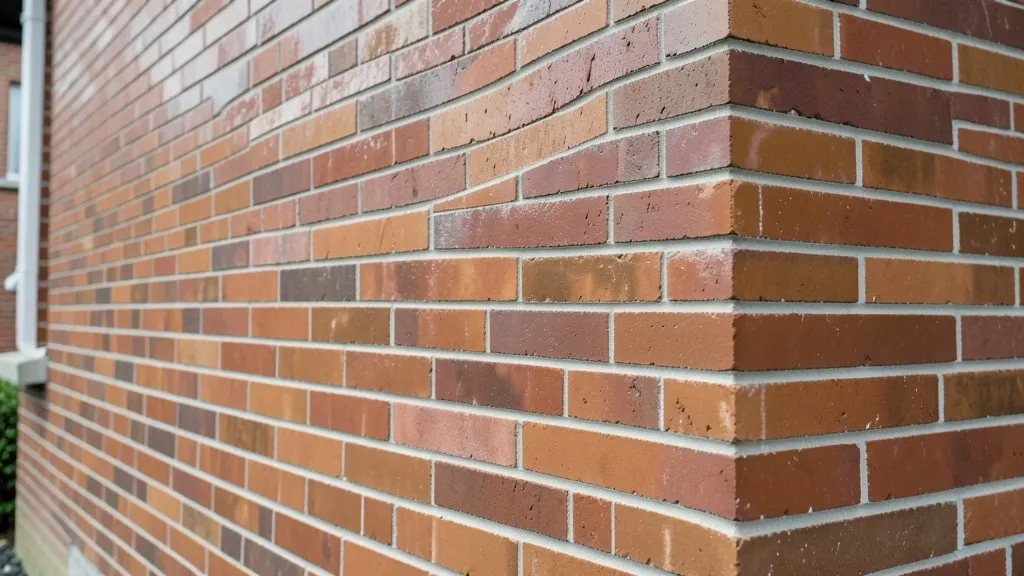
We’ve seen what happens when well-meaning homeowners follow bad advice. Myths about pressure washing can etch concrete, strip paint, or even void warranties on siding. Let’s clear the air—so your Bellevue home stays clean and damage-free.
Myth: More PSI Always Means a Cleaner Surface
Higher PSI can blast away grime, but it also carves grooves in wood, pits stucco, and etches concrete. Most residential surfaces need 1,200–1,900 PSI—enough to clean without causing collateral damage.
Our team matches pressure to the material: 500–600 PSI for delicate cedar shakes, up to 3,000 PSI for stubborn driveway oil stains. It’s precision, not power, that protects your investment.
Myth: Bleach Is the Only Way to Kill Mold and Mildew
Sodium hypochlorite (bleach) kills surface mold, but it doesn’t penetrate porous materials like wood or grout. Worse, improper ratios can discolor surfaces or harm nearby plants in our damp Pacific Northwest climate.
We use a tailored soft wash solution—often with specialized detergents—that dwells long enough to break down organic growth at the root. No bleach burns, no lingering spores.
Household bleach lacks the stabilizers and surfactants of professional-grade cleaners. It can streak vinyl siding and weaken deck sealants over time.
Myth: Pressure Washing Can Replace Deck Staining
Cleaning prepares wood for stain—it doesn’t replace it. Pressure washing removes dirt and old finish, but exposed wood fibers still need protection from our region’s rain and UV exposure.
After a thorough clean, we often recommend a light sanding and fresh sealant. This extends the life of decks in Medina, Kirkland, and Redmond, where moisture is a constant battle.
Myth: You Can Pressure Wash Asphalt Shingles
Asphalt shingles are designed to shed water, not withstand high-pressure jets. Even at low PSI, direct streams can dislodge granules, shortening roof life by years.
For roofs, we use a soft wash system—low pressure, high-volume water, and specialized detergents—to safely remove black streaks (Gloeocapsa magma) without harming the shingles.
| Method | Pressure | Risk to Shingles | Effectiveness on Algae |
|---|---|---|---|
| Pressure Washing | 1,500+ PSI | High (granule loss, leaks) | Moderate |
| Soft Washing | 500–600 PSI | None | High (kills spores) |
Myth: Concrete Is Indestructible Under Pressure
Concrete looks tough, but high PSI can etch the surface, creating a rough, porous texture that traps dirt. It can also expose aggregate, leading to a patchy appearance.
For driveways in Bellevue and Newcastle, we use a surface cleaner attachment—wide, even spray pattern—to lift stains without pitting. For oil or rust, we pre-treat with degreasers before rinsing.
Freshly cleaned concrete is more porous. Applying a penetrant sealer within 48 hours helps resist future stains and freeze-thaw damage.
Myth: Pressure Washing Voids All Warranties
Some warranties do have clauses about improper cleaning methods. Vinyl siding manufacturers, for example, often require pressure below 1,500 PSI and a wide-angle nozzle (25–40 degrees).
We document our methods and settings for every job. If a warranty is a concern, we’ll adjust our approach to comply—whether it’s for a home in Issaquah or a commercial building in Redmond.
Myth: DIY Pressure Washers Are Just as Effective
Consumer-grade washers max out around 2,800 PSI, but lack the GPM (gallons per minute) for efficient cleaning. Low flow means longer dwell time, increasing the risk of damage from prolonged pressure.
Our commercial units deliver 3–8 GPM, letting us rinse surfaces quickly and evenly. Plus, we use heat exchange systems for hot water cleaning, which cuts through grease and oil far better than cold water alone.
When to Call a Pro Instead of Risking DIY
If your home has delicate surfaces—cedar shakes, old brick, or painted wood—leave it to us. We also handle multi-story homes where ladder work and safety are concerns.
For graffiti removal, commercial properties, or stubborn stains on concrete, our team has the right detergents and equipment. We serve Bellevue, Kirkland, Redmond, and beyond with methods tailored to each surface.
Signs You Need a Professional
- Visible mold or algae on roof or siding
- Oil stains that won’t lift with DIY methods
- Peeling paint or damaged wood
- Multi-story or hard-to-reach areas
- Preparation for painting or sealing
How to Prep Your Home for Pressure Washing
A little prep work ensures the best results and protects your property.
- 1Clear the Area
Move outdoor furniture, potted plants, and vehicles. Cover electrical outlets and light fixtures with plastic sheeting.
- 2Inspect Surfaces
Check for loose paint, cracked caulk, or damaged siding. Repair these areas first to prevent water intrusion.
- 3Close Windows and Doors
Seal gaps with towels or plastic to keep water and detergents out of your home.
- 4Wet Down Plants
Saturate nearby vegetation with water before and after cleaning to dilute any detergent runoff.
- 5Choose the Right Nozzle
Use a 25–40 degree nozzle for siding, 15–25 degrees for concrete, and 40+ degrees for delicate surfaces like decks.
Frequently Asked Questions
Can pressure washing remove paint from my Bellevue home’s exterior?
Yes, if the paint is old, peeling, or applied to wood. High pressure can strip layers or create a patchy finish. We often recommend a gentle wash followed by repainting for the best results.
Is soft washing safe for all types of roofs?
Soft washing is safe for asphalt, composite, and even cedar shake roofs. However, it’s not suitable for flat roofs with standing water or certain metal roofs that may react with detergents. We assess each roof type individually.
How often should I pressure wash my driveway in the Pacific Northwest?
In our climate, driveways should be cleaned every 1–2 years to prevent mold, moss, and oil buildup. High-traffic areas or homes near trees may need more frequent attention.
Will pressure washing damage my brick or stone walkway?
Improper pressure can erode mortar or pit soft stone. We use a wide-angle nozzle and lower PSI for masonry, and often pre-treat with a pH-neutral cleaner to lift stains gently.
Do I need to seal my deck after pressure washing?
Yes. Cleaning opens the wood’s pores, making it more susceptible to moisture and UV damage. Sealing within 48 hours of cleaning helps preserve the wood and extend its lifespan.
Can you pressure wash in cold weather?
We avoid pressure washing in freezing temperatures, as water can freeze on surfaces or in equipment. Ideal conditions are above 40°F with no risk of overnight frost—common in Bellevue from late spring to early fall.