Awning & Canopy Cleaning in Tukwila, WA
Awning & Canopy Cleaning for Tukwila, WA properties — Tukwila is a nearby community roughly 10.1 miles southwest of Bellevue..
Awning and canopy cleaning in Tukwila removes dirt, mildew, and pollutants to restore fabric and frame surfaces. The work involves gentle yet effective pressure washing to lift grime without damaging stitching or coatings. Tukwila’s proximity to Bellevue allows crews to service both areas efficiently, addressing awnings over storefronts, patios, or entryways. It is handled with care to maintain appearance and extend the lifespan of the structures.
Why awning & canopy cleaning matters in Tukwila
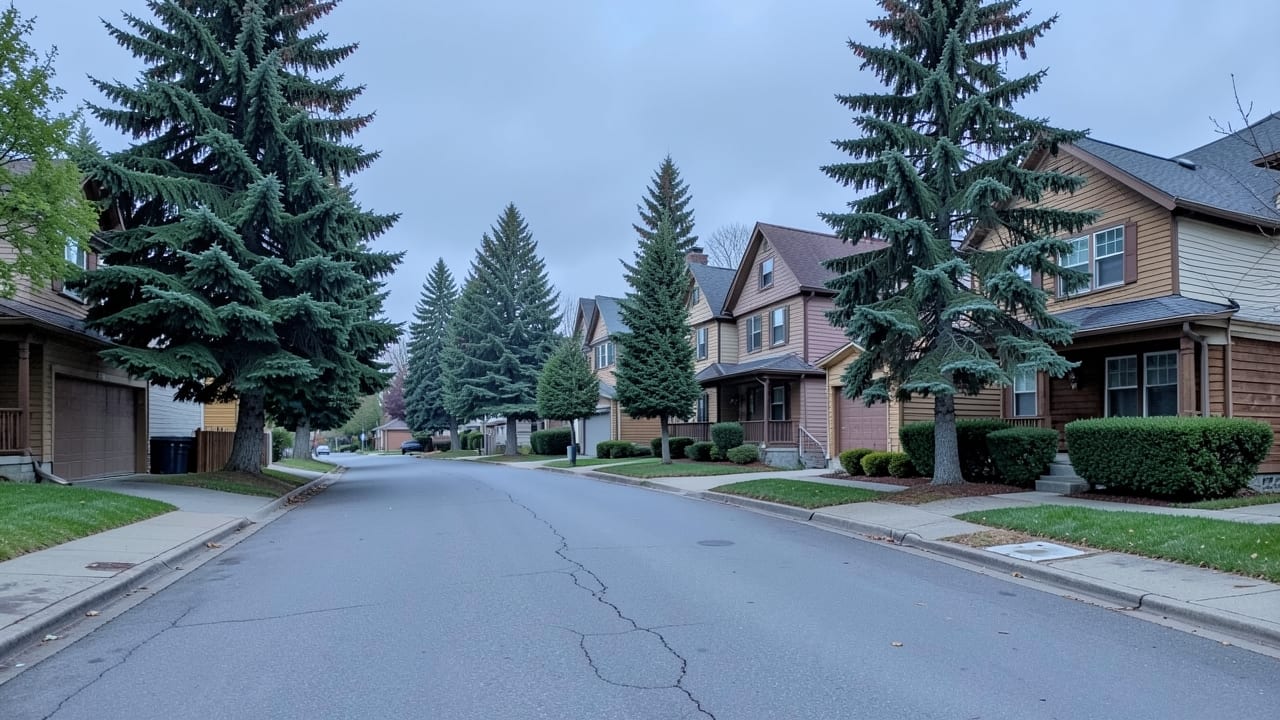
In Tukwila's dense suburban setting, awnings and canopies often accumulate more dirt, pollen, and debris due to the close proximity of homes and frequent vehicle traffic. Regular cleaning ensures they remain functional and visually appealing, preventing grime buildup that can degrade fabric or frames over time. Clean awnings also help maintain curb appeal in neighborhoods where homes are closely packed, making your property stand out positively among the tightly spaced residences.
This service is also available via Awning & Canopy Cleaning and Tukwila, WA.
What awning & canopy cleaning actually involves, step by step
Surface and plant protection. Landscaping near the foundation is wetted down and covered, and any exterior outlets or fixtures are bagged, before a single nozzle is turned on, since cleaning solution runoff and overspray cause more complaints on siding jobs than the wash itself.
Detergent pre-treatment. A cleaning solution formulated for the siding material — vinyl, wood, stucco, or fiber cement each take a different mix — is applied at low pressure and left to dwell, breaking down algae and mildew chemically instead of relying on pressure to blast it off.
Soft-wash rinse. The siding is rinsed at low pressure, generally under 500 psi through a wide-fan tip, working top to bottom in overlapping passes at a consistent speed, since an inconsistent pass speed is what leaves uneven streaking behind on the finished surface.
Spot treatment. Areas with heavier algae staining or stubborn mildew get a second, more concentrated pass rather than higher pressure, because raising the pressure to compensate for a stain is what pushes water behind siding seams instead of just cleaning the surface.
Final rinse and inspection. A clear-water final rinse removes any remaining detergent residue, and the finished siding is walked and checked in daylight for spots the first pass missed and for any panel that shows lifting or damage that needs separate attention.
What goes wrong when awning & canopy cleaning is done badly
Uneven pass speed streaking. Moving the wand at an inconsistent speed across siding leaves a banded, uneven-looking streak pattern sometimes called zebra striping, where the panels that got a slower pass look cleaner than the ones the operator moved past quickly. It's a technique problem, not a chemistry problem, and it shows up worst on light-colored vinyl.
Forced water behind siding. Aiming a pressure washer wand directly into a siding seam or up under a lap edge can force water behind the panel instead of just cleaning its face, and water trapped there is a documented cause of mold growth and rot inside the wall cavity that isn't visible until much later.
Wrong pressure for the material. Vinyl, stucco, and fiber cement each tolerate different pressure levels, and using a pressure setting suited to concrete on siding can crack stucco, split vinyl seams, or strip the factory finish off fiber cement panels well before it makes the surface look any cleaner.
How to choose who does the work in Tukwila
Does the quote specify the PSI and method — pressure wash vs. soft wash — for each surface? The wrong PSI on siding, roofing, or wood can cause damage, so the method should be disclosed per surface, not left as one generic number. Is a written scope listing every surface included — driveway, siding, deck, roof, fencing — provided? Bundled pricing sometimes covers only one or two surfaces despite sounding comprehensive. Are the cleaning chemicals used, and their effect on nearby landscaping and pets, disclosed before the job? Soft-wash detergents vary in strength, and runoff can affect plants or pets nearby. Does the estimate distinguish concrete or driveway work from roof or siding work? Roof and siding washing typically require lower pressure and different technique than concrete, and pricing that lumps them together can hide risk. What is the policy if pressure washing reveals pre-existing damage, like cracked paint or loose mortar? Pre-existing conditions can surface once dirt is removed, so it helps to know how that gets handled before agreeing to the job. Is post-treatment sealing for driveways or decks included in the price or billed separately? Sealing is often an add-on, not part of a basic wash.
No mention of PSI or method — pressure vs. soft wash — for each surface. The wrong pressure on siding, roofing, or wood can cause real damage, and a quote that has not specified method per surface has not actually assessed the job. A price far below every comparable bid for the same square footage. An unusually low price can mean lower-grade equipment, no pre-treatment chemical, or rushed coverage that leaves streaking. No mention of what chemicals are used or their effect on landscaping. Undisclosed chemical strength is how plants and grass near the work area end up damaged. Full payment demanded before the job starts. Paying in full upfront removes leverage if streaking, missed spots, or damage shows up afterward. Pressure to add extra services on the spot without a separate written price. Add-ons proposed in the moment are harder to compare against other bids.
Fabric-Safe Method
A low-pressure approach with a fabric-appropriate cleaning solution lifts dirt and mildew without stressing seams or stitching the way a standard pressure wash would.
Tukwila properties get the same straightforward quote process for awning & canopy cleaning as the rest of the service area — call to get one.
See Awning & Canopy Cleaning in Bryn Mawr-Skyway, WA for more — or discover how our Bellevue crew can help in full for our complete service area.
Serving Tukwila, WA
Ready to get started?
Talk to a local pressure washing pro serving Tukwila, WA — get a written quote.
Other Services We Offer in Tukwila, WA
Spring Pollen Removal in Tukwila, WA
Spring Pollen Removal for Tukwila, WA properties — Tukwila is a nearby community roughly 10.1 miles southwest of Bellevue..
Learn More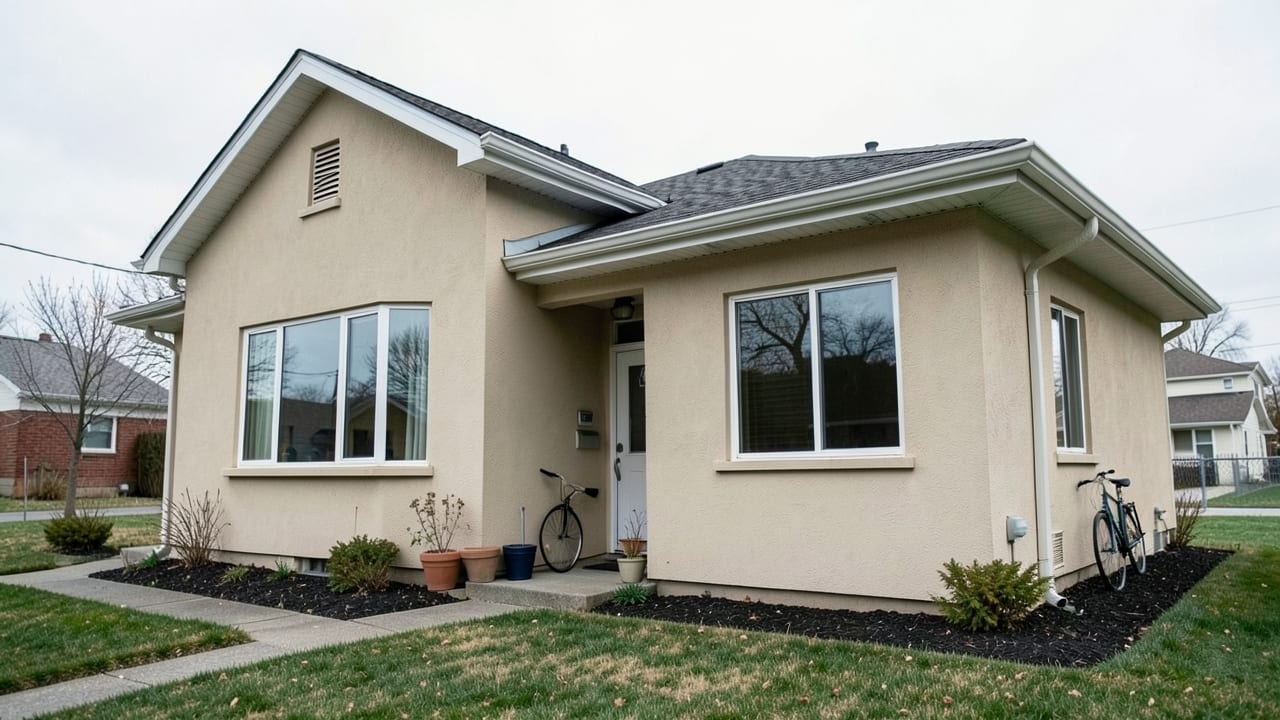
Pre-Sale Exterior Refresh in Tukwila, WA
Pre-Sale Exterior Refresh for Tukwila, WA properties — Tukwila is a nearby community roughly 10.1 miles southwest of Bellevue..
Learn More
Restoration Wash in Tukwila, WA
Restoration Wash for Tukwila, WA properties — Tukwila is a nearby community roughly 10.1 miles southwest of Bellevue..
Learn More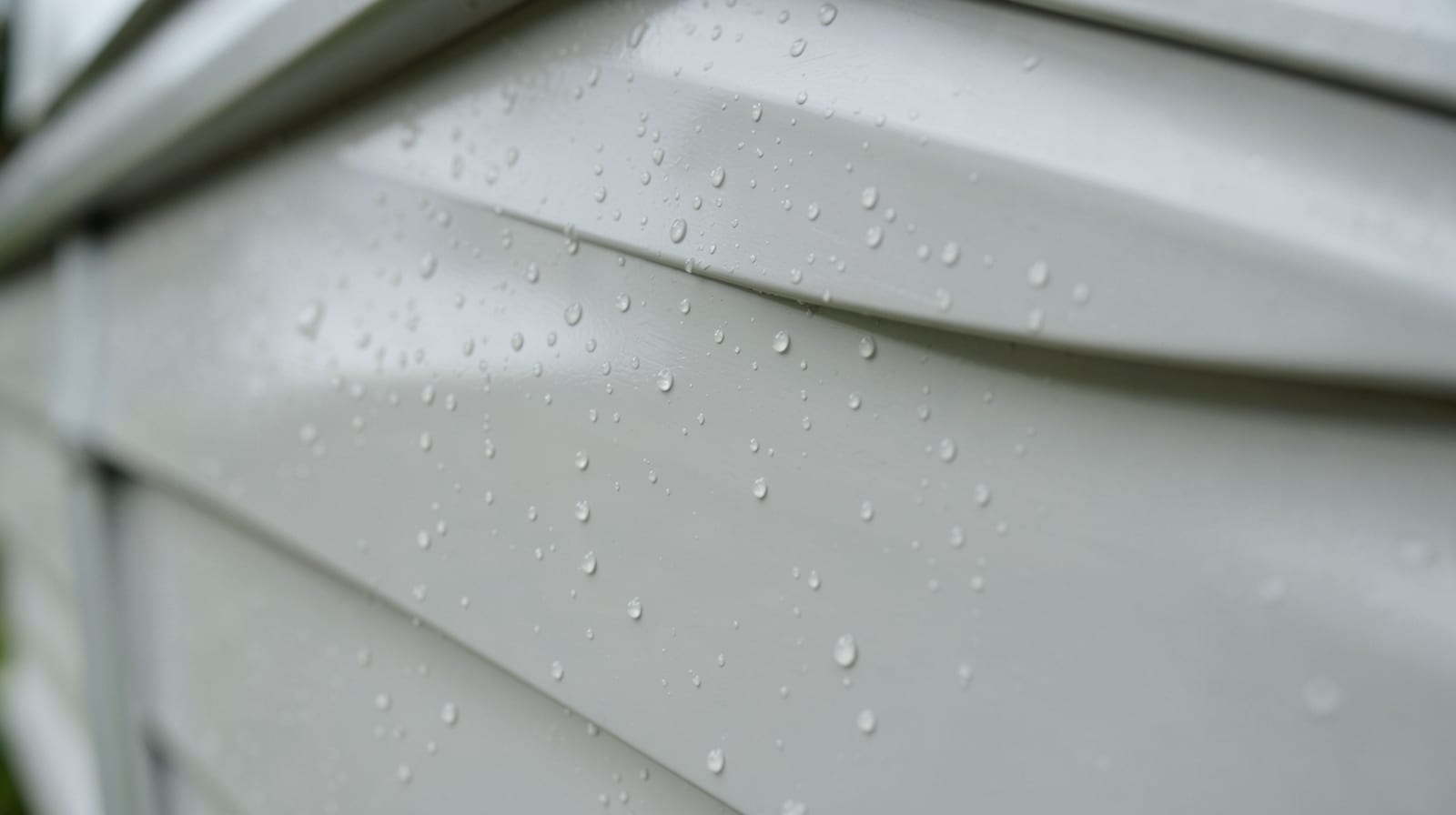
House Washing in Tukwila, WA
House Washing for Tukwila, WA properties — Tukwila is a nearby community roughly 10.1 miles southwest of Bellevue..
Learn MoreDriveway & Concrete Cleaning in Tukwila, WA
Driveway & Concrete Cleaning for Tukwila, WA properties — Tukwila is a nearby community roughly 10.1 miles southwest of Bellevue..
Learn More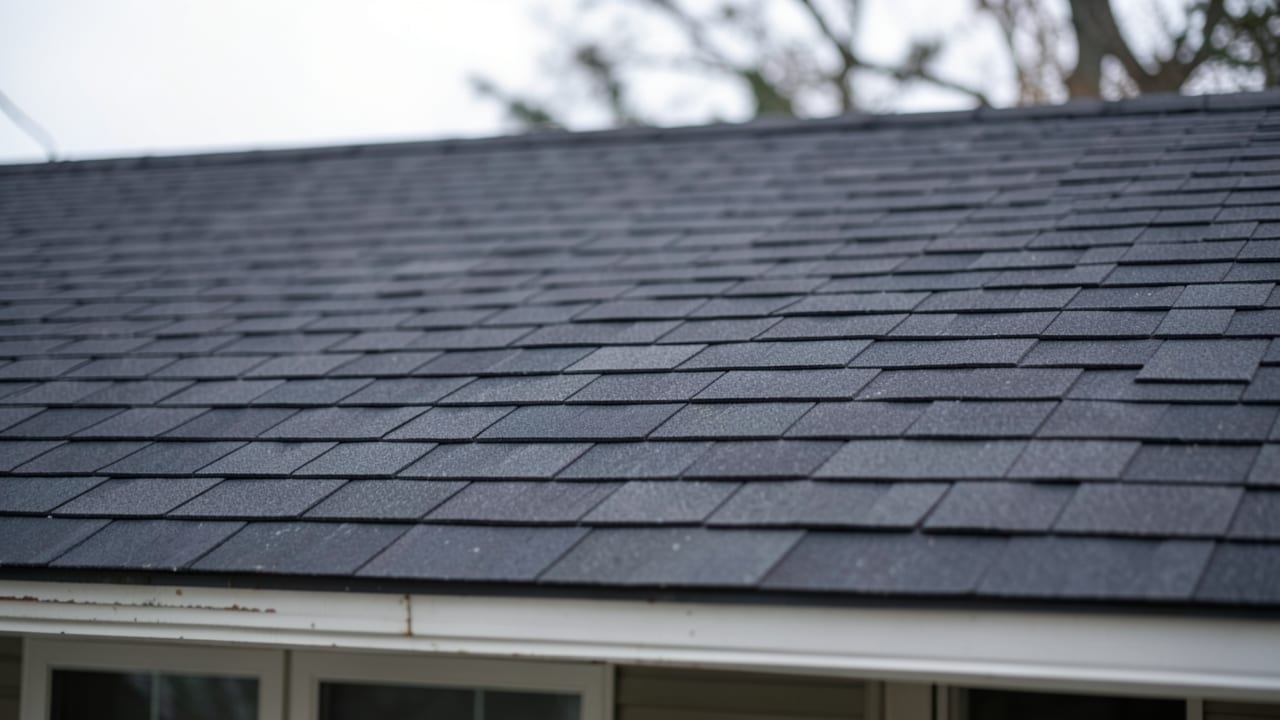
Roof Washing (Soft Wash) in Tukwila, WA
Roof Washing (Soft Wash) for Tukwila, WA properties — Tukwila is a nearby community roughly 10.1 miles southwest of Bellevue..
Learn MoreThe same service is also covered in Bryn Mawr-Skyway, WA , on the same terms.
Common Questions About Pressure Washing in Tukwila, WA
Everything you need to know about pressure washing services in Tukwila, WA
How much does Awning & Canopy Cleaning typically cost in Tukwila, WA?
Does winter road salt affect driveway washing needs in Tukwila, WA?
Can pressure washing damage concrete, pavers, or mortar joints?
What are the actual named steps in a professional pressure washing job?
Can the wrong PSI actually damage a house or driveway?
Need Pressure Washing in Tukwila, WA?
Get a written quote from our Tukwila, WA crew.
⏰ We answer your call • Serving all of Tukwila, WA and surrounding areas